Audi R8 (Type 4S) Buyer's Guide — 2016-2022
Audi · R8 · Type 4S · 2016–2022
2016-2022 Audi R8 (Type 4S) used buyer guide: known problems like magnetic ride failure, carbon buildup, and clutch wear. What to inspect before buying.
 Mirko3 min read
On this page2 sections
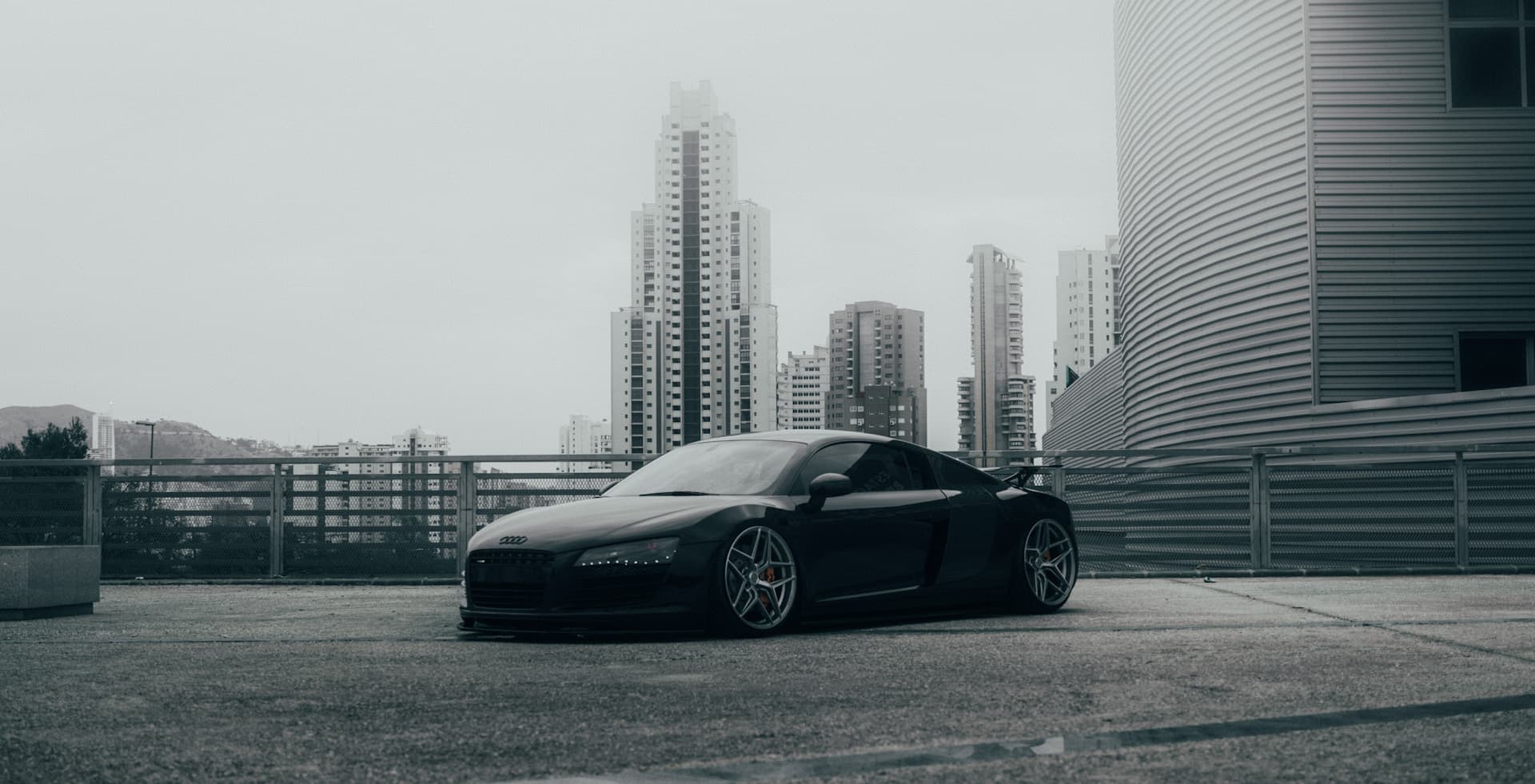
The 2016-2022 Audi R8 (Type 4S) carries the reputation of a supercar that trades some exotic temperament for daily usability, but its second-generation chassis introduces specific risk signals around a high-strung V10 and expensive suspension. The primary risk signal is the magnetic ride suspension's tendency to leak oil and fail, with replacement costs exceeding $4,000 per corner. This generation demands careful pre-purchase inspection to avoid five-figure surprise repairs.
Generation Overview
Production spanned 2016 to 2022, with two primary variants: R8 V10 (540 hp) and R8 V10 Plus (610 hp, later renamed Performance). A mid-cycle refresh in 2019 brought revised bumpers, a slight power bump (562 hp base, 602 hp Performance), and updated infotainment. The 5.2L V10 is shared with the Lamborghini Huracan and is the only engine offered. Unlike its predecessor, the Type 4S uses a carbon-fiber rear panel and a more rigid aluminum space frame. The transmission is a 7-speed dual-clutch S tronic (not R-tronic as sometimes mistakenly stated).
Known Issues
Magnetic Ride Suspension Failure Oil leaks from the damper seals are common, often leading to a loss of damping control or a sagging corner. The magnetic fluid corrodes internal components over time. All variants are affected, especially cars driven in cold climates or on rough roads. Severity: High. What to watch for: Uneven ride height, oil residue on shock bodies, or a warning light.
Carbon Buildup on Intake Valves Direct injection on the 5.2L V10 leaves no fuel wash over intake valves, causing carbon deposits that reduce power, cause rough idle, and trigger misfire codes. All 2016-2022 R8s need periodic media blasting every 30,000–40,000 miles. Severity: Medium. What to watch for: Gradual loss of throttle response or a P0300 random misfire code.
S tronic Clutch Wear The dual-clutch transmission can develop shudder in lower gears (1st to 2nd) or during stop-and-go maneuvers. Over time, clutch packs wear faster if the car has seen frequent track use or stop-and-go city driving. All variants; performance models with higher torque may accelerate wear. Severity: High. What to watch for: Judder when pulling away from a stop, or a harsh 2-3 upshift.
Infotainment Screen Delamination The center screen may develop peeling or bubbling on the anti-glare layer, especially in hot climates or with prolonged sun exposure. This does not affect function but is cosmetically undesirable and expensive to replace ($800–$1,200). All years, but more common on early 2016–2018 models. Severity: Low. What to watch for: Visible bubbles or peeling at edges.
Parking Brake Actuator Failure The electric parking brake actuator motor can fail, causing the brake to stick engaged or refuse to release. This leaves the car immobile. Affects all variants, with higher incidence on higher-mileage examples. Severity: Medium. What to watch for: Park brake warning light after release or a grinding noise when engaging.
Sub-Variant Issues
If you're looking at a R8 V10 Plus or Performance model (610–612 hp), the higher engine output and more aggressive calibration can worsen carbon buildup frequency and accelerate transmission clutch wear due to increased torque delivery. These cars also tend to be driven harder. Additionally, the retractable spoiler and lower body kit on Performance trims are more prone to road damage and expensive to replace.
If you're looking at a Spyder, the folding roof mechanism adds potential for hydraulic leaks, alignment failures, and wind noise at highway speeds. Both sub-variants demand a thorough check of their unique components.
FAQ
What are the most common problems with the Audi R8 (Type 4S) (2016-2022)?
Magnetic ride suspension failure is the primary risk, with damper oil leaks costing over $4,000 per corner to fix. Carbon buildup on the V10's intake valves and S tronic dual-clutch shudder are the other significant issues to check.
Is the Audi R8 (Type 4S) (2016-2022) reliable?
It's usable as a daily-capable supercar, but the magnetic ride suspension is a known expensive failure point, and the 5.2L V10 needs periodic carbon cleaning. A pre-purchase inspection focused on suspension and clutch condition is essential given repair costs.
Are there Audi R8 (Type 4S) years to avoid?
No specific year stands out; magnetic ride suspension failure and carbon buildup affect the full 2016-2022 range. Infotainment screen delamination is somewhat more common on early 2016-2018 cars.