7 Series 740i/740i Sport
4.4L 8-Cylinder · 135,000 mi · WBAGG8345YD•••••• · VIN verified
4.5 researched · 2.6 owner reported
Research covers this year, model and mileage. Items marked addressed are reported by the owner and not verified by Squeezed. This is not a substitute for a pre-purchase inspection.
2000 · BMW7 Series 740i/740i Sport
What the data shows
This 2000 BMW 740i Sport is a desirable E38 with documented recent work and clean visible condition, but 135,000 miles places the M62 V8 in the window where timing-chain guide wear, cooling-system plastics, oil leaks, and suspension wear matter. The passenger window regulator and air conditioning already need attention.
Budget about $11,200 for age-related repairs over the next several years, confirm timing-chain guide history and test the cooling system from cold to hot. The $4,400 asking price is below the estimated private-party market midpoint.
At a Glance
What this guide surfacedthe system is not fully operational and a refrigerant leak may be present
plastic guide failure can damage the engine if ignored at this mileage
the recently replaced regulator still makes noise and may need warranty attention
the panel currently seals but may require alignment work
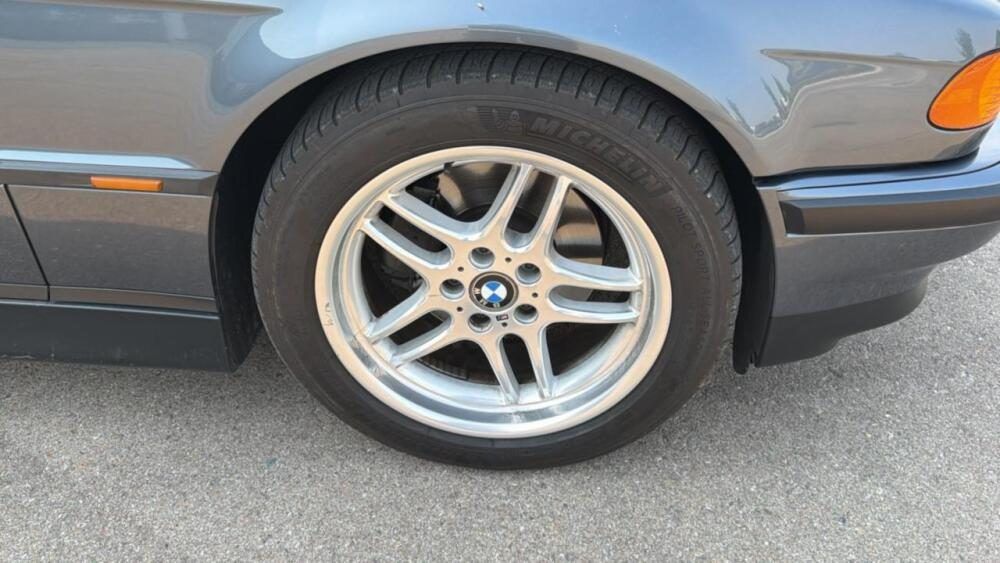
factory M Parallel wheels and sport seats support the desirable 740i Sport specification
alternator, speed sensors, ignition parts, power-steering hoses, mounts, and window hardware were replaced during ownership
the buyer's inspection shows straight, glossy bodywork with no visible rust or impact damage
the aftermarket touchscreen and Apple CarPlay installation appears clean and useful
Deal Score weighs the asking price against comparable listings, the title, and the repairs documented in this guide.
- Price 29% below market
- Unusually large discount — verify the listing is genuine
- 6 major issues
Next · 2 of 6
Detailed findings, 12 items
Click any card for the full breakdown, repair cost, and what to check. Items already handled by the owner show as checked.
Reflects the open findings; items the owner handled are excluded.
Confirm these before you buy. If you or a mechanic can verify them, that clears the car instead of ruling it out.
Cooling System Plastic Failure
The radiator, expansion tank, hoses, and water-pump components use aging plastic and seals that can crack or leak, often showing coolant loss, an overheating warning, or a sudden temperature rise. At 26 years old, age is as important as mileage for these parts.
Costly repairs, but not urgent to verify before you buy. Price them out and use them to negotiate.
Timing Chain Guide Wear
The plastic timing-chain guides can crack and shed material, producing a rattling chain and potentially allowing valve timing to jump. This is a documented M62 V8 failure pattern that commonly appears around this mileage range, although not every engine fails at the same time.
Automatic Transmission Wear
The five-speed automatic transmission can develop delayed engagement, harsh shifts, slipping, or valve-body pressure faults as internal seals and clutch components age. A five-mile drive that shifts correctly does not establish the condition of the fluid, seals, or long-term hydraulic pressure.
Front Thrust Arm Bushing Wear
The front suspension thrust-arm bushings can soften or split, causing steering shimmy under braking, wandering over bumps, or uneven front-tire wear. This is a common E38 suspension repair rather than evidence of a bent chassis.
Oil Filter Housing Leakage
The oil filter housing and nearby seals can seep engine oil onto the front and side of the V8, leaving wetness or drops beneath the engine. The listed oil-canister mounts were replaced, but that does not establish that every oil-filter-housing seal is dry.
Passenger Window Regulator Noise
The recently replaced passenger-side window regulator still makes noise during operation, indicating possible cable, guide, motor, or installation trouble. The seller states that the window is under warranty at the local BMW shop, so this specific repair may still be unresolved on the car.
Air Conditioning Refrigerant Loss
The air conditioning system reportedly works but needs a recharge, which means refrigerant is low and a leak may be present at a hose, condenser, evaporator, or compressor seal. A recharge alone may provide only temporary cooling.
Anti-Lock Brake Sensor Faults
Alternator Replacement Completed
Minor wear typical for the car’s age. Not worth negotiating over, but good to track as an owner.
Sunroof Panel Misalignment
The sunroof opens and closes but needs adjustment, indicating panel alignment or mechanism wear even though the seller says it seals. Misalignment can increase wind noise, stress the tracks, or eventually allow water past the seals.
Valve Cover Finish Peeling
The visible valve-cover finish is peeling, exposing deteriorated coating on the covers. This is cosmetic unless the covers or their gaskets are also leaking, but loose coating should not be allowed to contaminate nearby belts or engine-bay components.
Leather Bolster Wear
The driver's leather bolster and seat edges show light creasing and wear, with minor entry-area scuffing visible in the buyer's inspection. The wear is cosmetic and consistent with a 135,000-mile luxury sedan rather than a structural seat failure.
Every finding still open carries a question worth asking. Copy them as one message, already ordered by severity. Anything you have marked above drops off on its own.
Next · 3 of 6
Photo inspection
What the photos show about this specific car, graded against its age and mileage. Normal wear for the miles is called normal; only what is worse than the miles suggest is flagged.
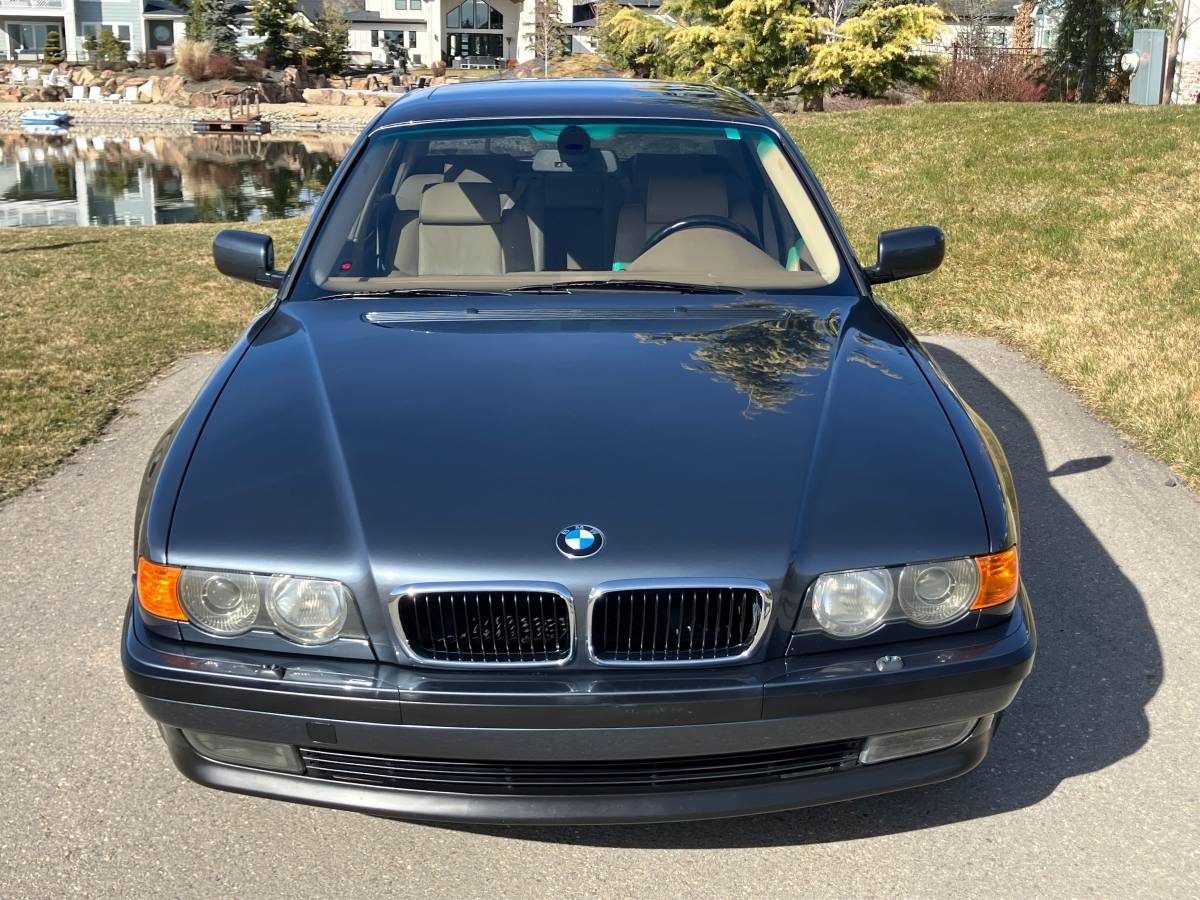 01
01Front end: straight, glossy, and evenly aligned
No rust, panel misalignment, or impact damage is evident, supporting a well-preserved exterior.
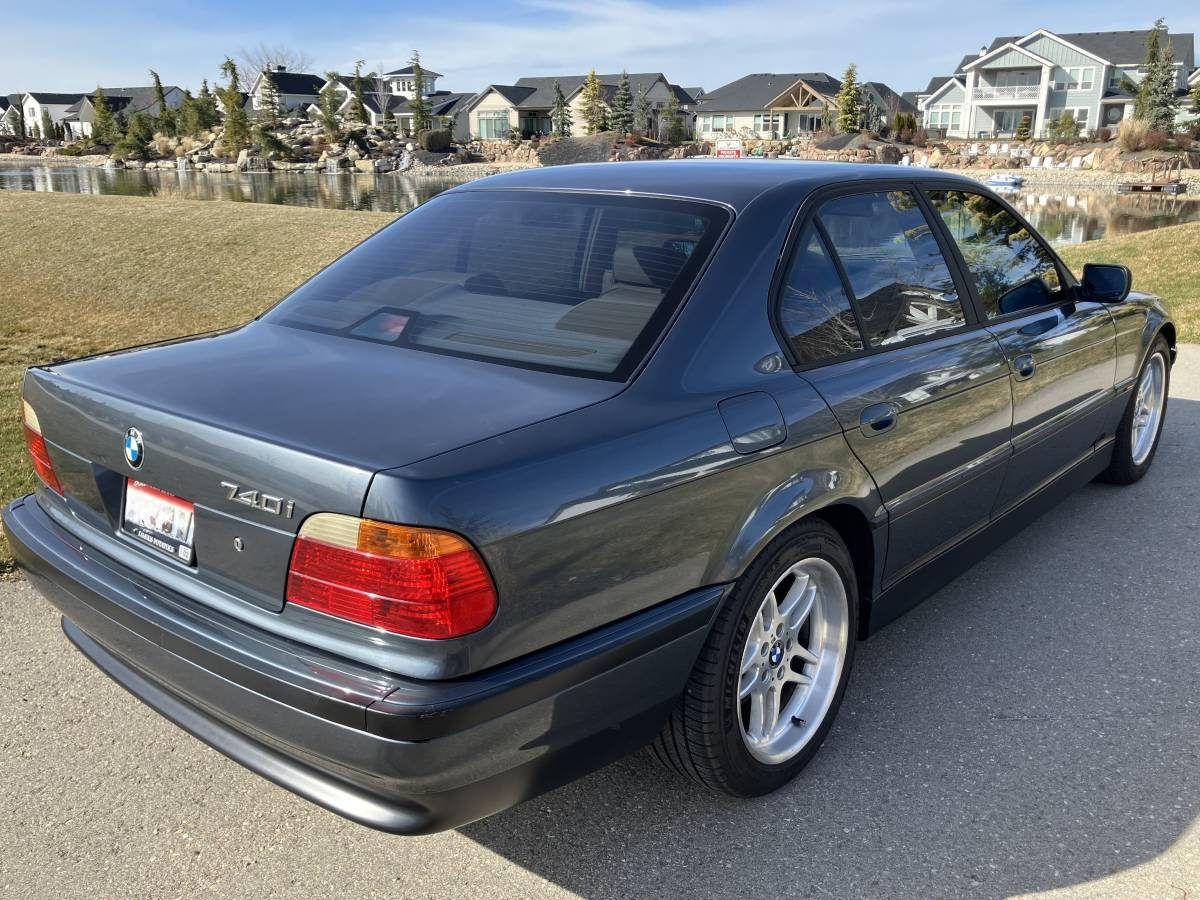 02
02Rear quarter: clean paint, factory M Parallel wheels
The bodywork presents well, and the factory sport wheels support the stated Sport Package.
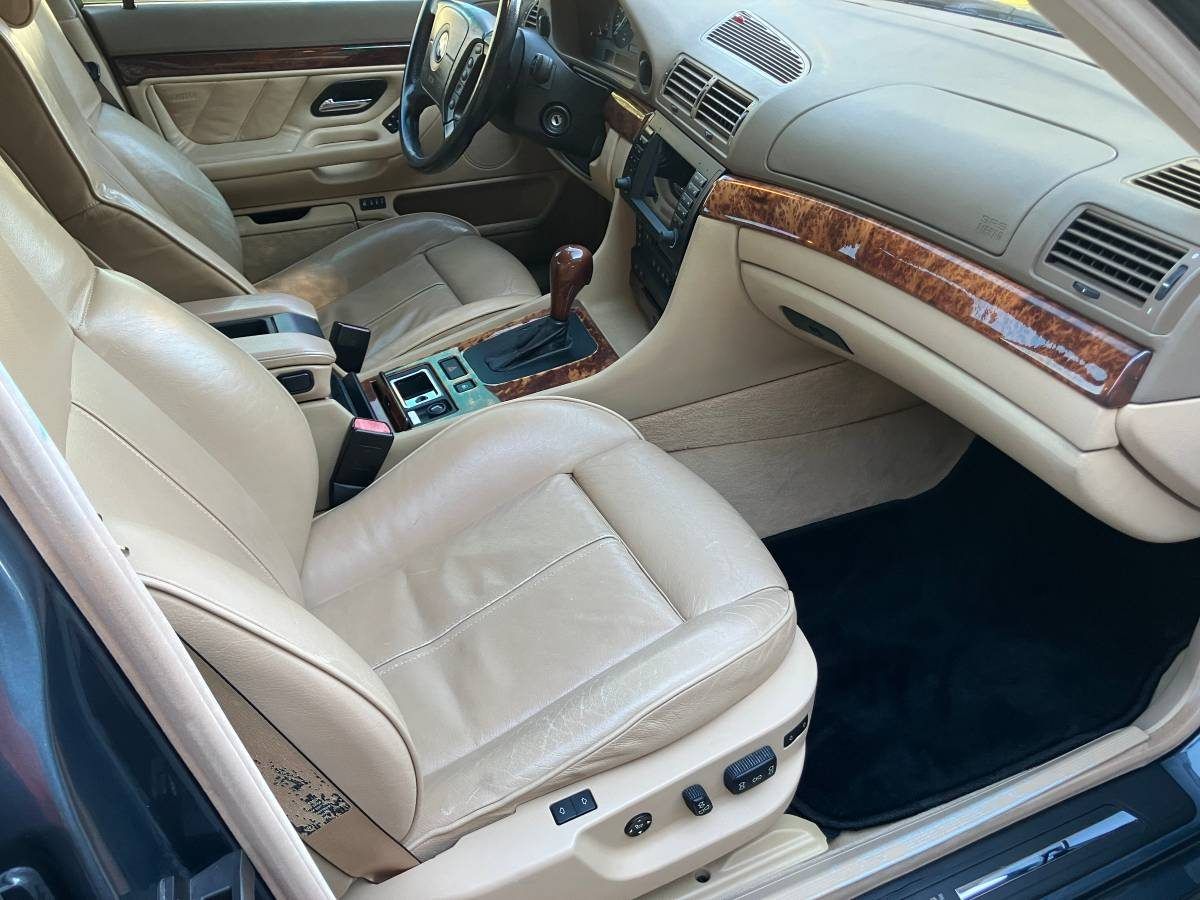 03
03Leather seats: light creasing and bolster wear
The visible leather wear is cosmetic and appropriate for a 135,000-mile luxury sedan.
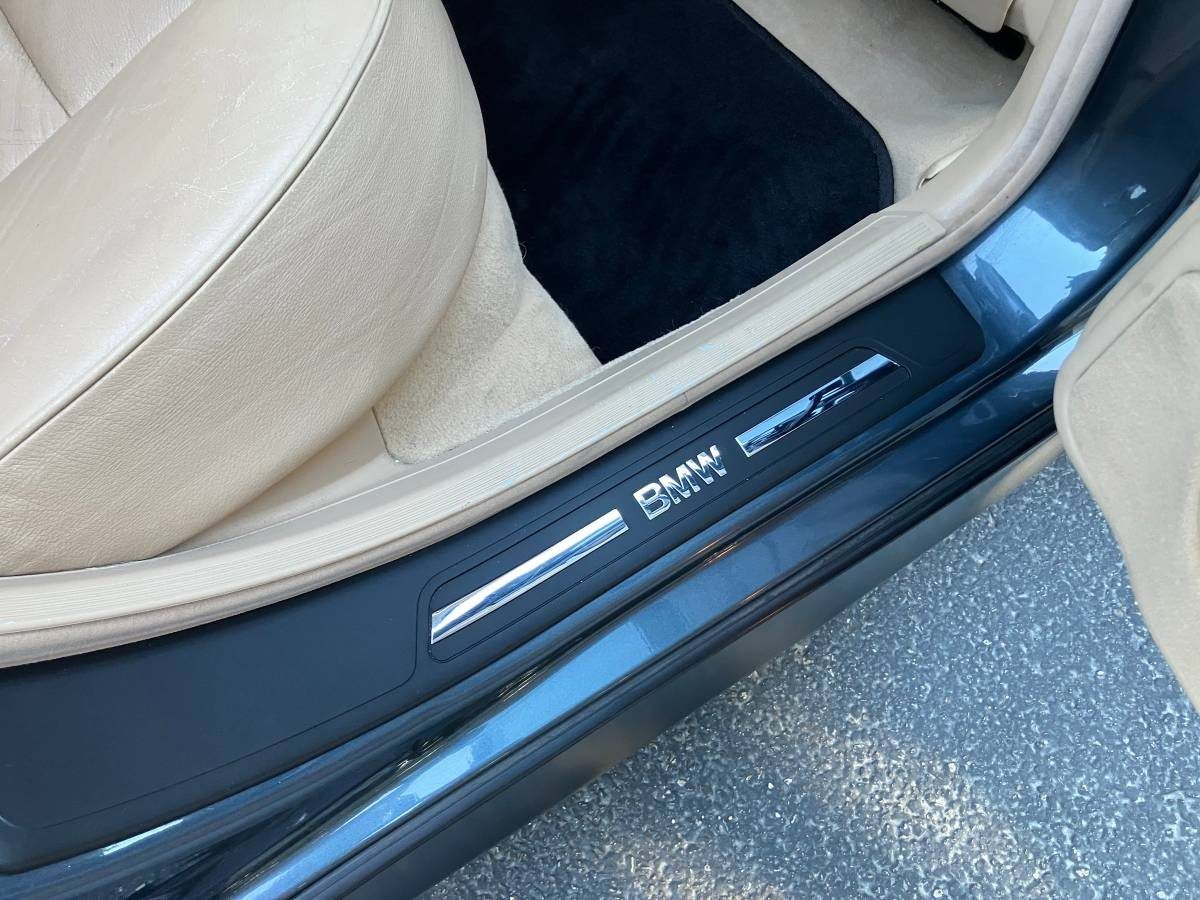 04
04Door sill: clean with minor seat-edge wear
Entry-area wear is limited to cosmetic scuffing, with no visible rust or structural damage.
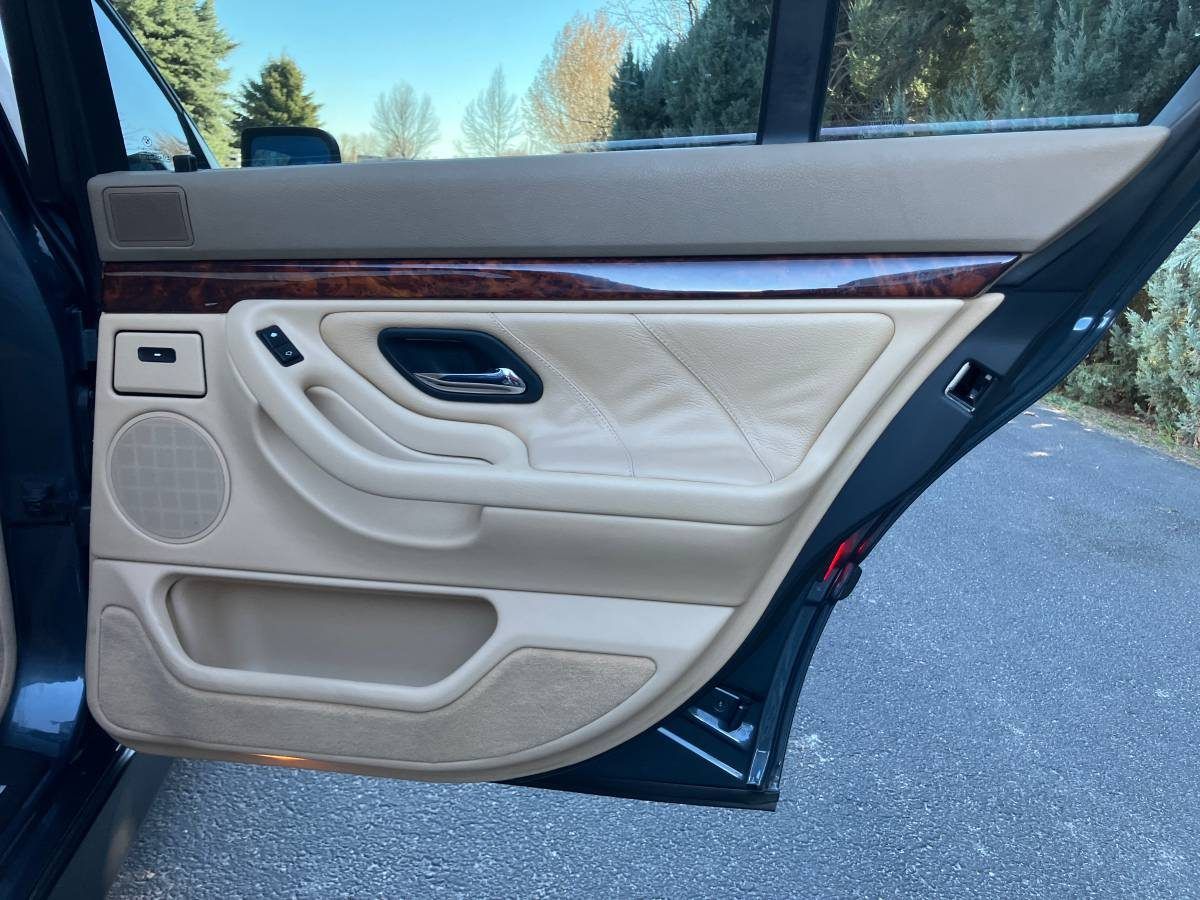 05
05Door panel: clean leather and intact wood trim
The panel appears unusually well-preserved, with no tears, loose trim, or major discoloration visible.
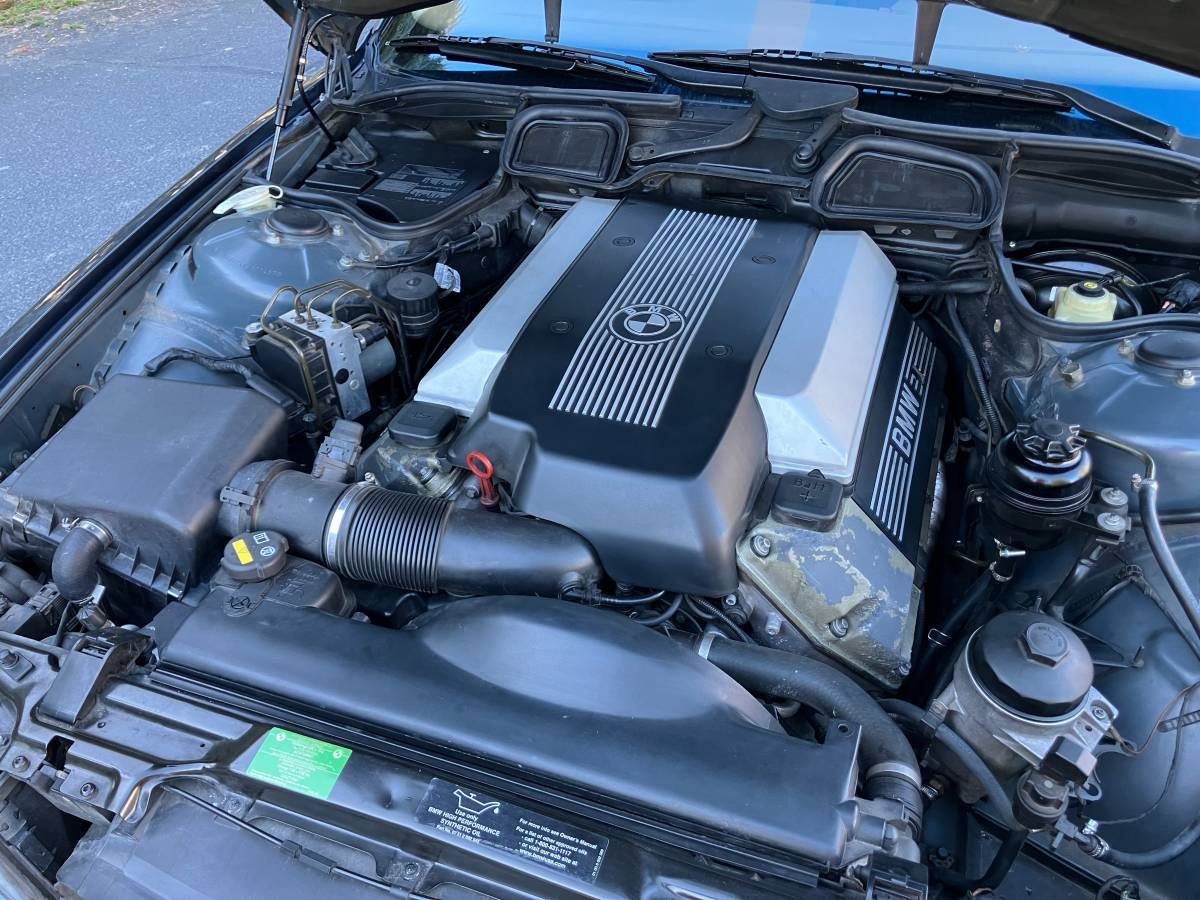 06
06Engine bay: tidy with peeling valve-cover finish
The finish deterioration is cosmetic; the bay otherwise looks complete and free of visible fluid leakage.
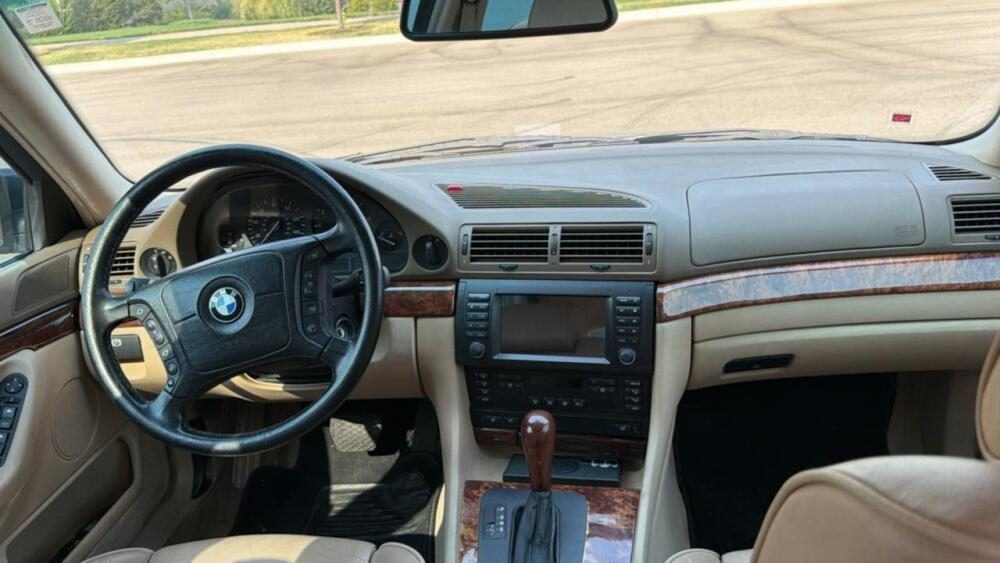 07
07Center console: aftermarket touchscreen installed cleanly
The modern head unit adds useful functionality, and its installation appears integrated without obvious damage.
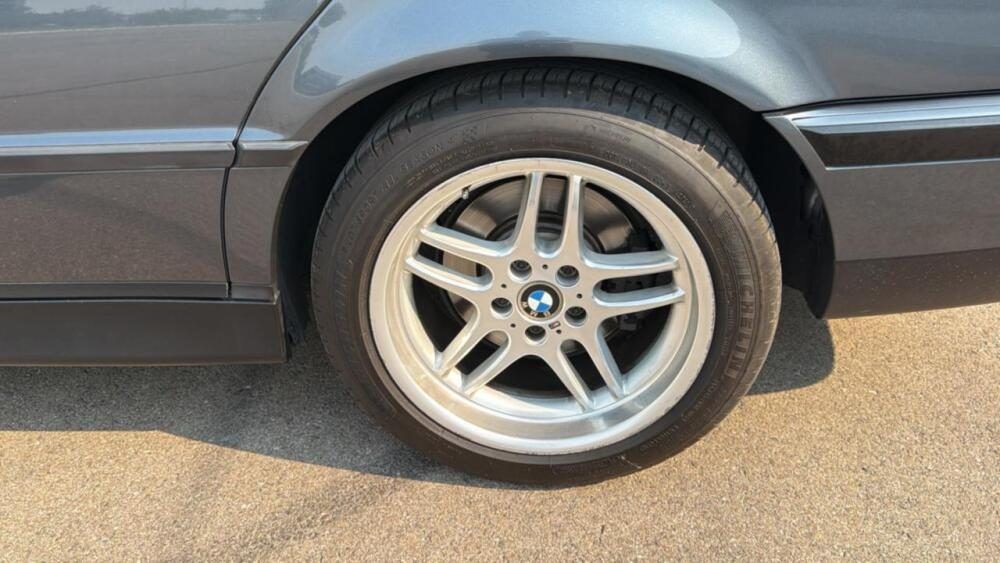 08
08Front wheel: factory M Parallel with healthy tire
Tread appears serviceable and the wheel shows no significant curb damage, reinforcing the desirable Sport Package specification.
 09
09Front wheel: clean M Parallel with even tire
The tire appears evenly worn with usable tread, while the wheel remains free of notable cosmetic damage.
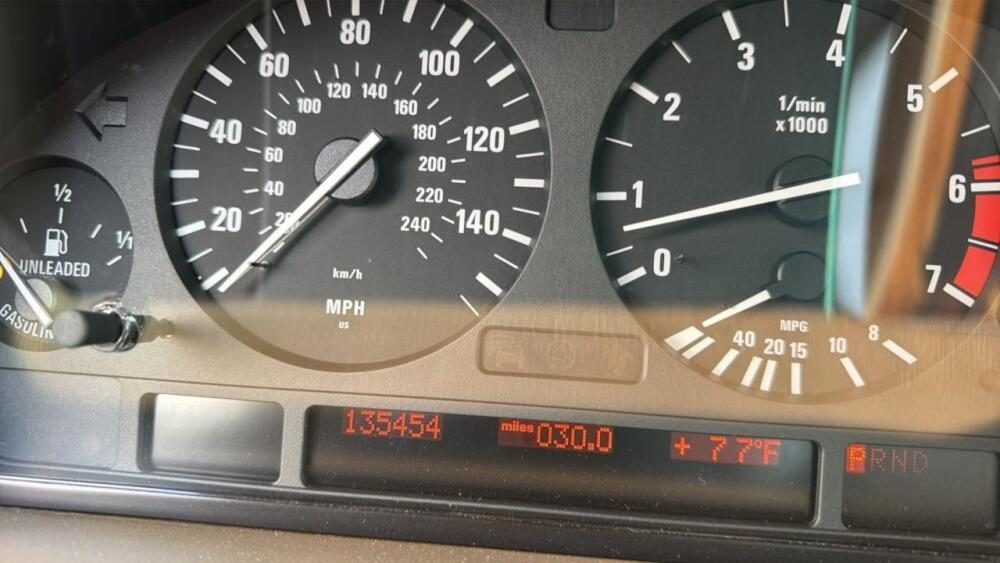 10
10Odometer: 135,454 miles displayed
The displayed mileage closely matches the stated 135,000 miles, supporting consistency in the listing information.
Visual assessment of what the photos show, surface condition only. Confirm mechanical findings in person.
Next · 4 of 6
Price & negotiation
BetaBased on comparable listings and the repairs you can document. A starting point for what this car should cost.
Discounts this deep are sometimes real, but they are also the classic pattern for scam listings, undisclosed damage, and title problems. Before paying anything: see the title in hand, check the VIN matches the car and the paperwork, and walk away from any seller who won't meet in person or asks for a deposit up front.
Price breakdown
Pricing models disagreed on this vehicle, so treat the market estimate as a rough range rather than a precise number. Recent local listings are the best tiebreaker.
What it costs, and when
Verify now
Critical and major items to confirm first.
Possible year-one expense
Caution items with repair-cost context.
Each range is what that one item costs if it turns out to be present. Not every item will apply to this car, so they do not add up to a bill. Verify with a mechanic.
Asking is $4,400 against a typical $6,200 for this car and mileage. The work is the difference, not the sticker.
Negotiate your offer
Asking is about 29% below the market estimate, so there may be less room to move. The documented repairs below are still relevant to raise.
- Documented critical/major repairs of $5,700–$16,700 you can point to.
- Strongest items to raise first: Timing Chain Guide Wear, Automatic Transmission Wear.
Pricing is in beta. The market estimate comes from research models and can be off by thousands on the same car, so check recent local listings before you rely on it. This is information to help you research, not a professional inspection, an appraisal, or financial advice.
Next · 5 of 6
Recalls & safety
NHTSA crash-test ratings and recall data for this make, model, and year. Check recall status with your VIN before buying.
Next · 6 of 6
In-person inspection
12 things to check before you buy
8 major and 3 caution findings, turned into a walkthrough for the driveway. Answers save as you go.
Before you leave: Ask the seller not to start or move the car before you arrive. A sales-ready car has usually been warmed up, and a warm engine hides the startup smoke, rattles and rough idle that the first section is built around.
01Cold Start CheckFirst1
Start the engine cold while you watch the exhaust and listen. Note how quickly it catches, the tint of any smoke, rattles in the first few seconds, and how smoothly it settles into idle. This is the one test you cannot repeat on the spot.
02Exterior Walk-around1
Look at the ground under the car before anything else, and separate fresh wet marks from old stains. Then walk the body in daylight: panel gaps and paint texture for past repairs, glass, lights, tire age, and the wheel arches and rockers for rust or filler. Push each corner down; it should rebound once and settle.
03Interior & Electronics2
Turn the key to accessory and then on, before starting. Confirm every warning light comes on and then clears, and test the windows, locks, climate fan, infotainment, and seats while the engine is off. Smell for damp, lift the mats to feel for wet carpet, and compare pedal rubber wear against the odometer.
04Engine & Systems5
Before the first start: pull the oil dipstick and look for a milky film, check the coolant for oil or rust, squeeze the radiator hoses for hard or mushy spots, and note the battery date. Once warm: confirm the cooling fans cycle, listen for belt noise, look for fresh seepage that was not there cold, and check that the A/C blows cold.
05Test Drive2
Drive a route with stops, a hill, and some open road. Feel for shift quality, clutch or torque-converter behaviour, brakes that pull or pulse, steering play, and any noise that changes with speed or steering angle.
06Documentation1
Match the VIN across the title, dash, and door jamb. On a dealer lot, read the Buyers Guide sticker: it states whether the car carries a warranty or is sold as is, and as is means every repair after the sale is yours. Review service records and recall history, then run an OBD-II scan for stored and pending codes.
Everything on this list is what you can see standing next to the car. A shop on a lift sees the rest, and a written pre-purchase inspection listing parts and labor is what a seller has to answer to. Budget roughly $100 to $150 at an ASE-certified shop.
Your car next?
Get your own Buyer Guide
Same depth of analysis, personalized to the exact vehicle you're evaluating. Known failure patterns, repair cost exposure, and questions to ask the seller.