BMW 3 Series (E90) Buyer's Guide — 2005-2013
BMW · 3 Series · E90 · 2005–2013
2005-2013 BMW 3 Series E90 buyer's guide: N54 HPFP and wastegate failures, N52 valve cover leaks, cooling system, VANOS, subframe cracks, M3 rod bearings. Real repair costs. Pricing, maintenance, competitors, and FAQs.
 Mirko9 min read
On this page8 sections
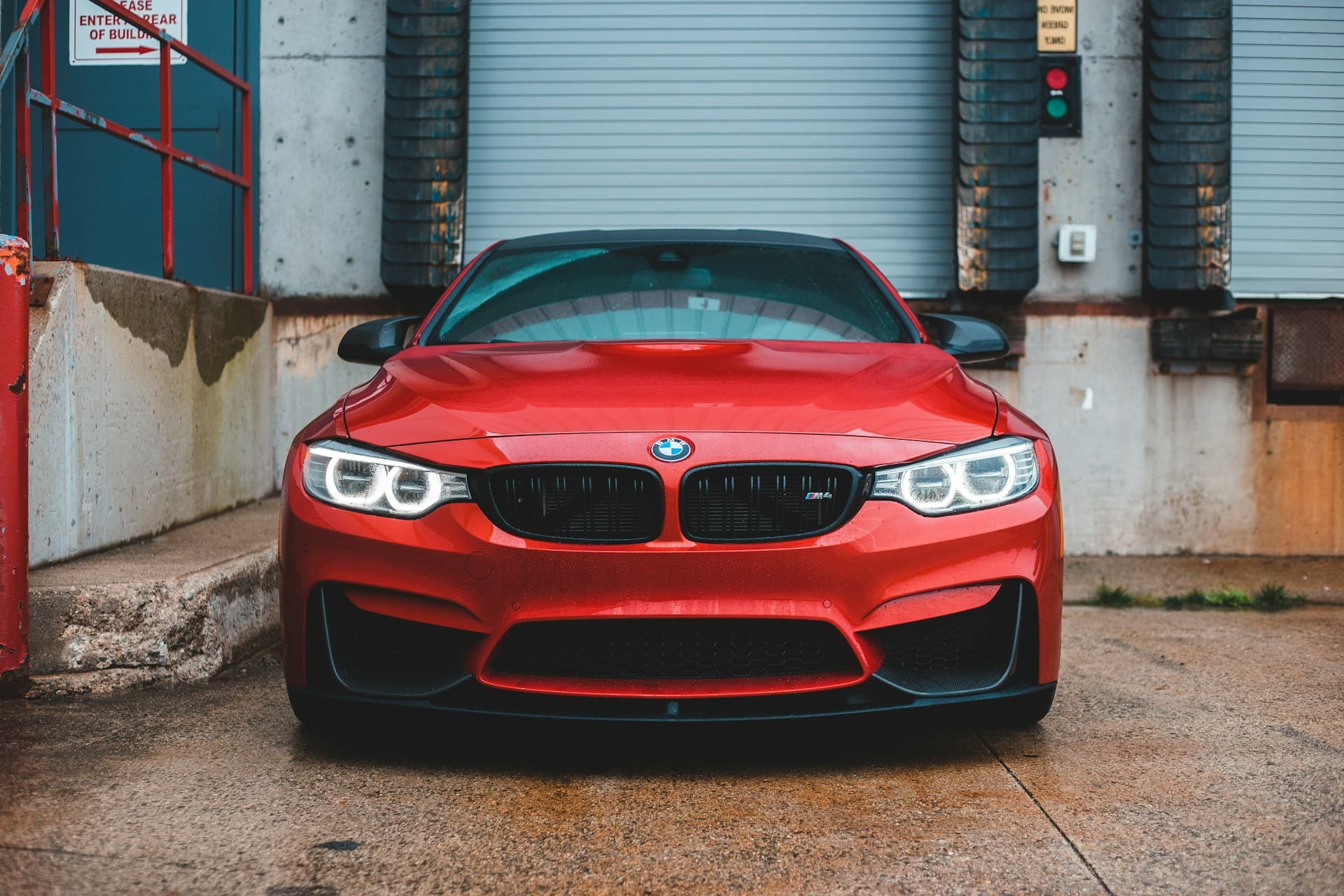
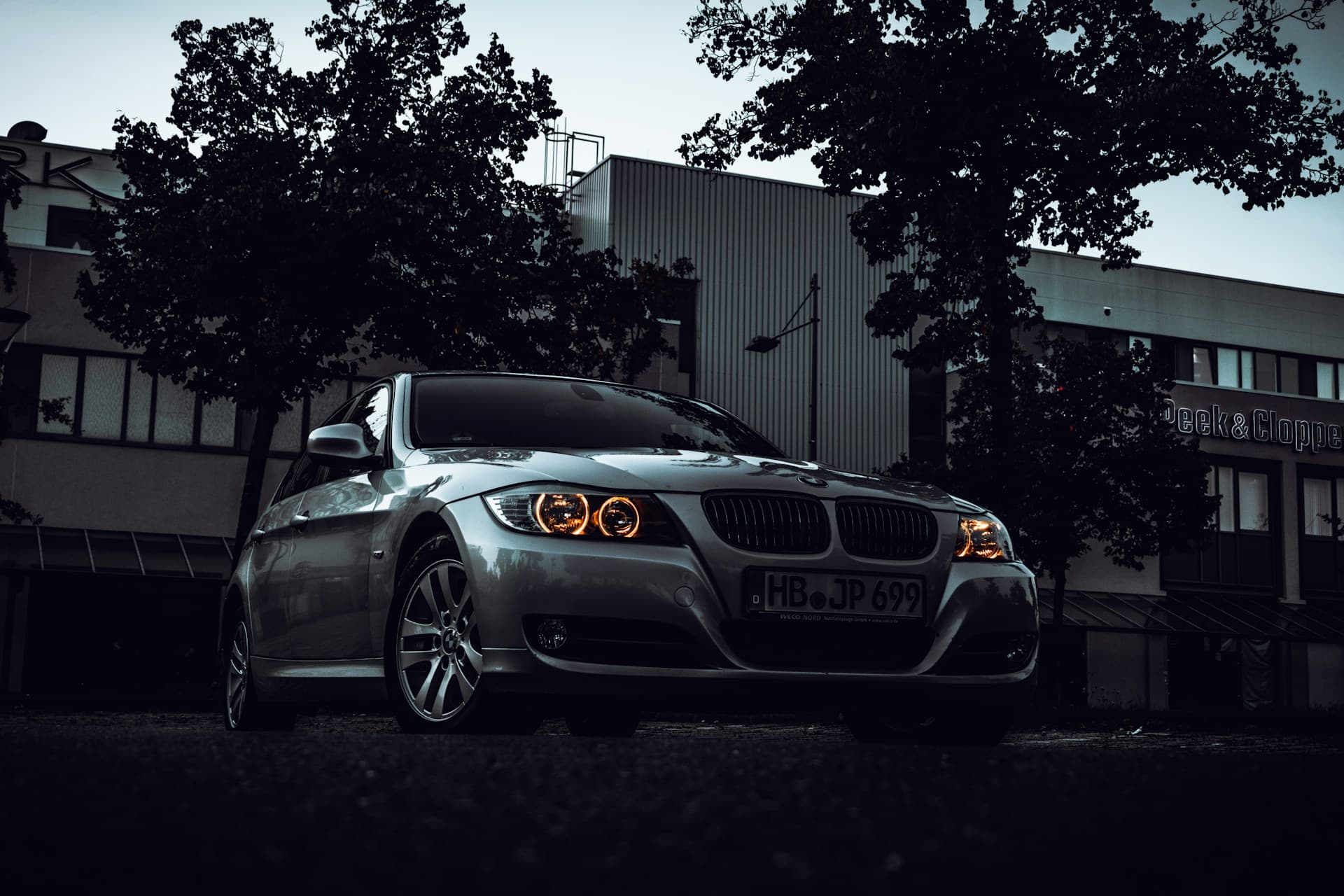
The E90 generation BMW 3 Series (2005–2013) includes sedans, wagons (E91), coupes/convertibles (E92/E93). Its reputation for sharp handling is undercut by documented reliability failures — especially the N54 engine's high-pressure fuel pump and wastegate issues, with repairs often exceeding $4,000. This article covers the known failure patterns across the 328i (N52 I6), 335i (N54/N55 turbo I6), and M3 (S65 V8), plus what you should expect to pay, maintain, and cross-shop.
Generation Overview
Production spanned 2005–2013. Major variants: 328i (N52 naturally aspirated I6, 230 hp), 335i (N54 twin-turbo I6 2006–2010, then N55 single-turbo I6 2010–2013), and M3 (S65 V8 2008–2013). A 2009 LCI facelift brought updated headlights, bumpers, and interior trim. The 2010 335i switch from N54 to N55 resolved some N54-specific failures but introduced electric steering on later E92/E93 variants. This generation is the last 3 Series with hydraulic steering, offering exceptional feedback at the cost of higher maintenance demands. The E90 platform uses a double-wishbone front suspension and a five-link rear — excellent geometry but bushing-intensive.
Pricing: What to Expect
Prices vary dramatically by variant, condition, and mileage. A clean 328i sedan with 100k miles typically ranges from $5,000 to $8,000. A well-maintained 335i with similar mileage runs $8,000 to $14,000, with N55 cars commanding a premium over N54 cars. The M3 occupies a different bracket entirely: $20,000 to $35,000 for a clean example with 60k–80k miles, though neglected cars can be found for less (usually for good reason). Budget an additional $2,000 to $4,000 for deferred maintenance on any E90 you buy — cooling system, gaskets, and bushings are almost always due. Convertibles (E93) typically add $1,500–$3,000 over equivalent sedans due to the folding hardtop mechanism and extra weight.
Known Issues
N54 High-Pressure Fuel Pump (HPFP) Failure
The HPFP on 2006–2010 335i models fails prematurely, causing long cranks, stalling, and reduced power. BMW issued recalls and extended warranties (10 years/120,000 miles), but many cars are now out of coverage. Replacement costs $1,200–$1,800. The N55 engine uses an updated pump design that is significantly more reliable.
- Who it affects: All N54-equipped 335i (2006–2010).
- Severity: High
- What to watch for: Long crank times on cold start; check service history for HPFP replacement.
N54 Wastegate Rattle
Turbocharger wastegate bushings wear, producing a metallic rattle at low RPM and eventual boost loss. Repair requires turbo replacement or aftermarket wastegate upgrade, costing $3,000–$5,000. N55 engines eliminated this design by using a single twin-scroll turbo with a sealed wastegate.
- Who it affects: All N54 335i.
- Severity: High
- What to watch for: Rattle from turbos around 2,000–3,000 RPM under light load; boost deviation codes.
N52 Valve Cover Gasket Leaks
The valve cover gasket on 328i (N52) hardens and leaks oil onto the exhaust manifold, causing a burning smell and fire risk. Replacement typically includes the warped plastic valve cover itself: $800–$1,200. The magnesium valve cover on earlier cars is less prone to warping but expensive to replace.
- Who it affects: All N52 engines (2006–2013 328i).
- Severity: Medium
- What to watch for: Oil smell in cabin, smoke from hood area; inspect rear of valve cover for seepage.
Cooling System Failure (Water Pump and Thermostat)
The electric water pump and thermostat fail without warning, often between 60,000–100,000 miles. Overheating can crack the cylinder head. Replacement cost $1,000–$1,500. BMW switched to an updated pump design in later production years, but failure rates remain high. Some owners proactively replace the pump and thermostat every 60,000 miles as preventive maintenance.
- Who it affects: All E90 models — 328i, 335i, M3.
- Severity: High
- What to watch for: No warning light initially; inspect service records for pump and thermostat replacement.
VANOS Solenoid Failure
Variable valve timing solenoids clog with oil sludge, causing rough idle, loss of power, and check engine light. Cleaning or replacement costs $200–$400. Regular oil changes with quality synthetic oil significantly reduce the risk.
- Who it affects: All N52, N54, N55, S65 engines.
- Severity: Low–Medium
- What to watch for: Check engine light with codes P0015, P0017, P0018; rough idle on cold start.
Subframe Cracks (Rear Mounts)
Rear subframe mounting points crack, especially on pre-LCI 2006–2009 cars with high mileage. This causes clunking and misalignment. Reinforcement plates cost $1,500–$3,000 to install. BMW offered a reinforcement service under a service bulletin, but most cars have aged out of coverage.
- Who it affects: All E90, particularly early 328i and 335i.
- Severity: High (structural)
- What to watch for: Clunk from rear during acceleration or braking; inspect subframe mounts in rear wheel wells.
Window Regulator Failure
Cable-driven regulators fail, causing windows to drop or not operate. Replacement per window: $300–$500. This is common enough that many owners keep a spare regulator on hand.
- Who it affects: All E90 models.
- Severity: Low (annoyance)
- What to watch for: Slow or uneven window movement; grinding noise from door panel.
Oil Filter Housing Gasket Leaks
The oil filter housing gasket hardens and leaks oil down the side of the engine, often mistaken for a valve cover gasket leak. If ignored, oil can contaminate the serpentine belt and cause belt disintegration. Replacement costs $400–$700.
- Who it affects: All N52 and N54 engines; less common on N55.
- Severity: Medium
- What to watch for: Oil visible on the front of the engine block below the oil filter housing; low oil warnings between changes.
Starter Failure (N52)
The starter on N52-equipped cars fails more frequently than expected, often between 80,000–120,000 miles. The starter is located under the intake manifold, which makes replacement labor-intensive ($600–$900).
- Who it affects: 328i models with N52 engine.
- Severity: Medium
- What to watch for: Clicking sound when starting; intermittent no-start that improves after the engine cools.
Sub-Variant Issues
E92/E93 M3 (S65 V8) — Rod Bearing Wear Rod bearings on the S65 V8 wear prematurely, often between 60,000–100,000 miles, leading to engine failure. Preventive replacement costs $3,000–$5,000. Throttle actuator failure is another expensive issue on the M3, costing $1,500–$2,500 per side to replace. If you're looking at an E92/E93 M3, budget for both rod bearings and throttle actuators.
335i N55 (2010–2013) — Charge Pipe Failure The plastic charge pipe on N55 cars cracks under boost, causing a loss of power and boost leak. Aftermarket metal replacements cost $150–$300. The N55 also has a known issue with the electric water pump (shared with the N54), so cooling system inspection is equally important.
All-Wheel Drive (xi/xDrive) — Front Axle and Transfer Case xDrive models are prone to front axle boot tears and transfer case actuator motor failure. A torn boot allows dirt into the CV joint, requiring half-shaft replacement ($400–$800 per side). Transfer case issues can cause binding in tight turns and cost $1,500–$2,500 to rebuild.
Maintenance Costs
Expect to spend $1,500–$3,000 per year on a higher-mileage E90 328i or 335i. The M3 is significantly more expensive at $3,000–$5,000 annually due to valve adjustments, rod bearing service, and higher parts costs. Key intervals: oil change every 7,500 miles ($80–$120), spark plugs every 45,000 miles on turbo cars ($300–$500), transmission fluid every 60,000 miles ($400–$600), and coolant flush every 3 years ($200–$300). The hydraulic power steering system should be flushed every 50,000 miles to avoid pump failure. Budget $1,000 for cooling system refresh at 80,000 miles — it is not optional on this generation.
Competitors
The E90 3 Series competes directly with the Audi A4 B8 (2009–2016), which offers similar handling with a more refined interior but suffers from its own set of issues including timing chain tensioner failure on 2.0T models. The Mercedes-Benz W204 C-Class (2007–2014) is more reliable but less engaging to drive, with the C300's M272 V6 being a solid choice. The Lexus IS 250/350 (2006–2013) is dramatically more reliable and cheaper to own, but lacks the BMW's steering feel and rear-seat space. For sport sedan buyers, the Infiniti G37 (2008–2013) offers a robust V6 and lower maintenance costs, though the interior feels dated. The Cadillac ATS (2013–2019) matches the E90's chassis dynamics but parts availability is weaker.
FAQs
Is the E90 328i or 335i more reliable?
The 328i (N52) is significantly more reliable. The N52 has no turbochargers, no HPFP, and fewer cooling system demands. The 335i (N54/N55) offers more power but requires substantially more maintenance. For a daily driver, the 328i is the safer choice.
What mileage should I avoid on an E90?
Avoid cars between 80,000 and 100,000 miles that have not had the cooling system, valve cover gasket, and oil filter housing gasket replaced. These three items cluster at this mileage and can total $3,000+ in repairs. Under 60,000 miles is ideal but carries a price premium.
How long do E90 BMWs last with proper maintenance?
With diligent maintenance, the N52 engine routinely reaches 200,000 miles. The N54 and N55 can also reach 200,000 miles but require more frequent intervention. The S65 V8 in the M3 is reliable if rod bearings are addressed preventively, but many M3s are driven hard and neglected.
Should I buy a manual or automatic E90?
The manual transmission (Getrag for 328i, ZF for 335i) is generally more reliable than the automatic. The ZF 6HP automatic is a good transmission but requires fluid changes every 60,000 miles — many were never serviced. Manual cars also command a $1,000–$2,000 premium in today's market.
What is the best year of the E90?
2011–2013 models are generally best: N55 engine in the 335i (more reliable than N54), LCI styling, and later production quality improvements. The 2011–2013 328i sedans are particularly good daily drivers — they have the proven N52 engine with the hydraulic steering rack.
FAQ
What are the most common problems with the BMW 3 Series (E90) (2005-2013)?
N54-powered models are known for high-pressure fuel pump failure and wastegate rattle. N52-powered cars more commonly see valve cover gasket leaks and starter failure. Across both, cooling system parts (water pump, thermostat) and VANOS solenoids are common failure points as mileage climbs.
Is the BMW 3 Series (E90) (2005-2013) reliable?
It's reliable enough to own, but not maintenance-free — E90s are known for needing consistent preventive work on the cooling system and, on turbo models, the fuel system. A car with full service records costs less over time than a cheap one with gaps in its history.
Are there BMW 3 Series (E90) years to avoid?
The N54 HPFP issue is most documented on 2006-2010 turbo models (335i). Naturally aspirated 328i/325i models with the N52 avoid that specific failure but still need the same cooling-system attention across the full 2005-2013 range.