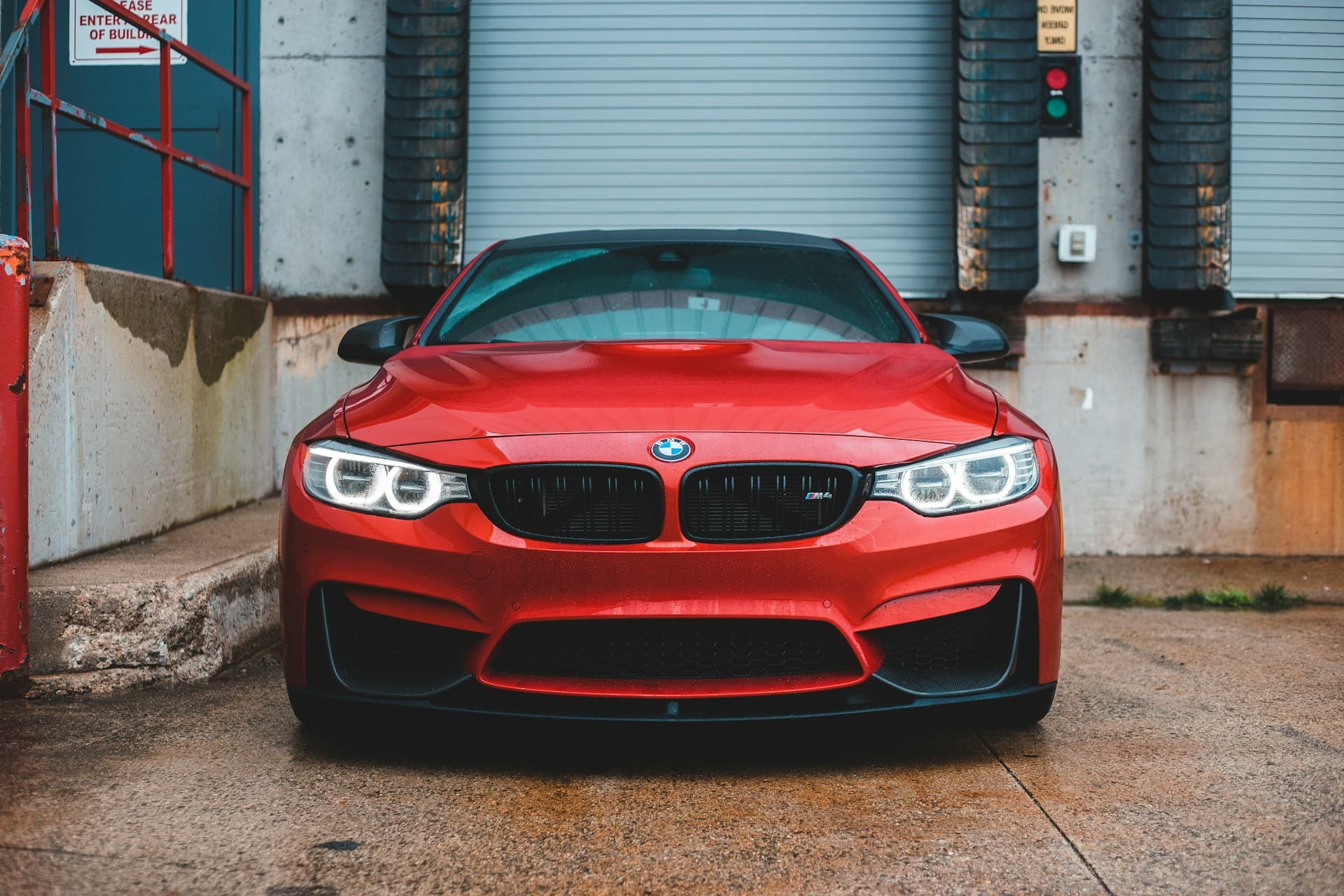
BMW 3 Series (F30): What to Know Before Buying (2012-2018)
BMW · 3 Series · F30 · 2012–2018
Comprehensive guide to 2012-2018 BMW 3 Series F30 problems: N20 timing chain failure, cooling systems, charge pipe, ZF transmission, and diesel issues. What used buyers must inspect before purchase.
 Mirko5 min read
On this page4 sections
The 2012–2018 F30-generation BMW 3 Series brought lighter weight and more efficient engines, but its reputation is defined by a critical engine defect: the N20 four-cylinder timing chain failure that can destroy the engine without warning. This guide covers the core risks across 320i, 328i/330i, 335i, 340i, diesel variants, and the F31 wagon/F34 GT, focusing on what you need to inspect before buying.
Generation Overview
The F30 launched in 2012 as a sedan, followed by the F31 wagon (2013) and F34 Gran Turismo (2013). Key mid-cycle changes came in the 2016 model year (LCI): revised headlights, bumpers, and the introduction of the B58 inline-six replacing the N55 in the 340i. The 320i/328i used the N20/N26 turbo four-cylinder (328i became 330i with B48 in 2016). Diesel variants (328d) used the N47 four-cylinder. The 335i/340i used the N55 (2012–2015) and B58 (2016–2018). This generation marked a shift to electric power steering and lighter suspension, trading some traditional BMW feel for efficiency.
Known Issues
N20 Timing Chain Failure
- What it is: The plastic timing chain guide and tensioner on the N20/N26 four-cylinder engine can break, causing the chain to skip or snap, leading to catastrophic engine damage. Affected engines built up to early 2015 are most susceptible.
- Who it affects: 2012–2015 320i, 328i, and early 2016 328i/330i with N20/N26. Some early 2016 models still had the older engine.
- Severity: Critical
- What to watch for: Rattle or grinding from the front of the engine at startup or idle. Remove the oil fill cap and listen for chain slap. A cold start rattle lasting more than 2–3 seconds is a red flag.
Cooling System Failures
- What it is: Common failures include the electric water pump, thermostat, and expansion tank cracking. The N20 and N55 engines place the pump under the intake manifold, making replacement labor-intensive ($900–$1,200).
- Who it affects: All F30 variants, especially those with 60,000+ miles.
- Severity: High (overheating leads to head gasket failure if ignored)
- What to watch for: Check for low coolant warnings, visible leaks near the front of the engine, or the engine fan running at full speed when the car is off.
Charge Pipe Failure (N55)
- What it is: The factory plastic charge pipe connecting the intercooler to the throttle body can crack or burst under boost, causing loss of power and a check engine light. Aftermarket aluminum replacements are common.
- Who it affects: 2012–2015 335i with N55 engine. Less common on 340i (B58 uses a stronger production part).
- Severity: Medium (can leave you stranded, no secondary damage)
- What to watch for: A sudden loss of power under hard acceleration, accompanied by a hissing sound. Inspect the charge pipe for cracks near the throttle body clamp.
ZF 8HP Transmission Mechatronics (Early)
- What it is: The mechatronics unit (valve body and solenoids) in early ZF 8HP45 transmissions can develop internal leaks or solenoid failures, causing harsh shifts, hesitation, or slipping. Production date before 2015 is most affected.
- Who it affects: 2012–2014 328i, 335i, and 328d. The 8HP50 in later B58 cars is more reliable.
- Severity: High (requires replacement of the mechatronics unit, ~$2,000–$3,000)
- What to watch for: Test drive through all gears—watch for jerky downshifts from 3rd to 2nd or a delay when shifting from Park to Drive. Check service records for a transmission fluid change (recommended every 60k miles).
Turbo Coolant Line Failure
- What it is: The rubber coolant lines feeding the turbocharger on N20, N55, and N47 diesel engines can degrade and burst, leading to sudden coolant loss and overheating. The line is often attached to the turbo oil drain.
- Who it affects: All turbocharged F30 variants, especially those with 50k+ miles.
- Severity: High (can cause engine overheating if driven after burst)
- What to watch for: Coolant smell under the hood, visible wetness on the turbo heat shield, or low coolant level without external leaks. Inspect the rubber line for cracks or swelling.
Sub-Variant Issues
N55 vs B58 in 335i/340i
If you're looking at a 335i (2012–2015), the N55 charge pipe and valve cover gasket (oil leaks) are common issues. The B58 in the 340i (2016–2018) is significantly more reliable, with fewer timing-chain and cooling problems. However, early B58 engines (up to 2017) can have a plastic coolant vent line that cracks near the cylinder head; check for coolant loss.
Diesel (328d with N47)
The N47 diesel engine has a known timing chain issue similar to the N20 but on the rear of the engine (requires transmission removal for repair). Also, the diesel particulate filter (DPF) and selective catalytic reduction (SCR) system can fail, costing $2,000–$4,000 to replace. Look for a DPF regeneration frequency of more than once every 400 miles as a warning.
FAQ
What are the most common problems with the BMW 3 Series (F30) (2012-2018)?
N20 timing chain failure is the most serious issue on 4-cylinder turbo models. Cooling system failures, N55 charge pipe failure, and early ZF 8HP transmission mechatronics issues are the other known problems.
Is the BMW 3 Series (F30) (2012-2018) reliable?
It's reliable with proactive maintenance, similar to the E90 before it. The N20's timing chain is the biggest single risk and worth confirming has been inspected or addressed, especially on higher-mileage cars.
Are there BMW 3 Series (F30) years to avoid?
N20 timing chain failure is most documented on 2012-2016 models before running changes; 2016 also shows up for charge pipe and turbo coolant line issues on N55-powered cars. Later production within the range generally benefits from running fixes.