Engine Recalls in 2026: GM 6.2L, Tundra, Rogue and Honda V6 Explained
GM's 6.2L V8, Toyota's twin-turbo Tundra V6, Nissan's VC-Turbo and Honda's 3.5L V6 all have recalls or federal investigations for bearing failures that can stop the engine. Here's which used trucks and SUVs are affected, whether the fixes are holding, and what to ask before you buy one.
 Mirko11 min read
On this page10 sections
On August 20, federal regulators widened their investigation into GM's 6.2-liter V8 to 997,743 trucks and SUVs, after hundreds of owners reported engines failing again after the recall repair. It's the largest of four engine problems that matter right now if you're shopping for a used truck, SUV or crossover. The other three are Toyota's twin-turbo V6 in the Tundra, Nissan's 1.5-liter VC-Turbo in the Rogue, and Honda's 3.5-liter V6 in the Pilot, Odyssey and Acura MDX.
In all four, the part that fails is a bearing: one of the thin metal shells the crankshaft or connecting rods spin on. When one wears out early, the engine starts to knock, and if it keeps running the bearing can seize and stop the engine while you're driving. Some of these cars have a recall fix. On the GM trucks the fix itself is under investigation, and most of the Hondas in question have no recall at all yet.
The four engines at a glance
| Engine | Used in | Recall | Status, October 2026 |
|---|---|---|---|
| GM 6.2L V8 (L87) | 2021-2024 Silverado 1500, Sierra 1500, Tahoe, Suburban, Yukon, Escalade | 25V-274, 597,571 vehicles | NHTSA engineering analysis EA26005 into failures after the repair, widened to 2021-2026 models |
| Toyota 3.4L twin-turbo V6 (V35A) | 2022-2024 Tundra, 2022-2023 Lexus LX 600, 2024 Lexus GX 550 | 24V-381 and 25V-767 (126,691 vehicles combined), 26V-320 (43,566) | New engine or a new bearing inspection, depending on the recall |
| Nissan 1.5L VC-Turbo | 2022-2025 Rogue (and the 2.0L in 2019-2020 Altima, Infiniti QX50 and QX55) | 25V-437, 443,899 vehicles; 26V-080, 323,917 | Inspection and software, new engine if metal debris is found |
| Honda 3.5L V6 (J35) | 2016-2020 Pilot and MDX, 2018-2020 Odyssey and TLX, 2017-2019 Ridgeline | 23V-751, 248,999 vehicles | NHTSA preliminary evaluation PE25008 covers 1.41 million vehicles; no wider recall yet |
Recall and investigation numbers are from NHTSA filings. Recall repairs are free at a franchised dealer, whoever owns the car.
GM 6.2L V8: the recall fix is under investigation
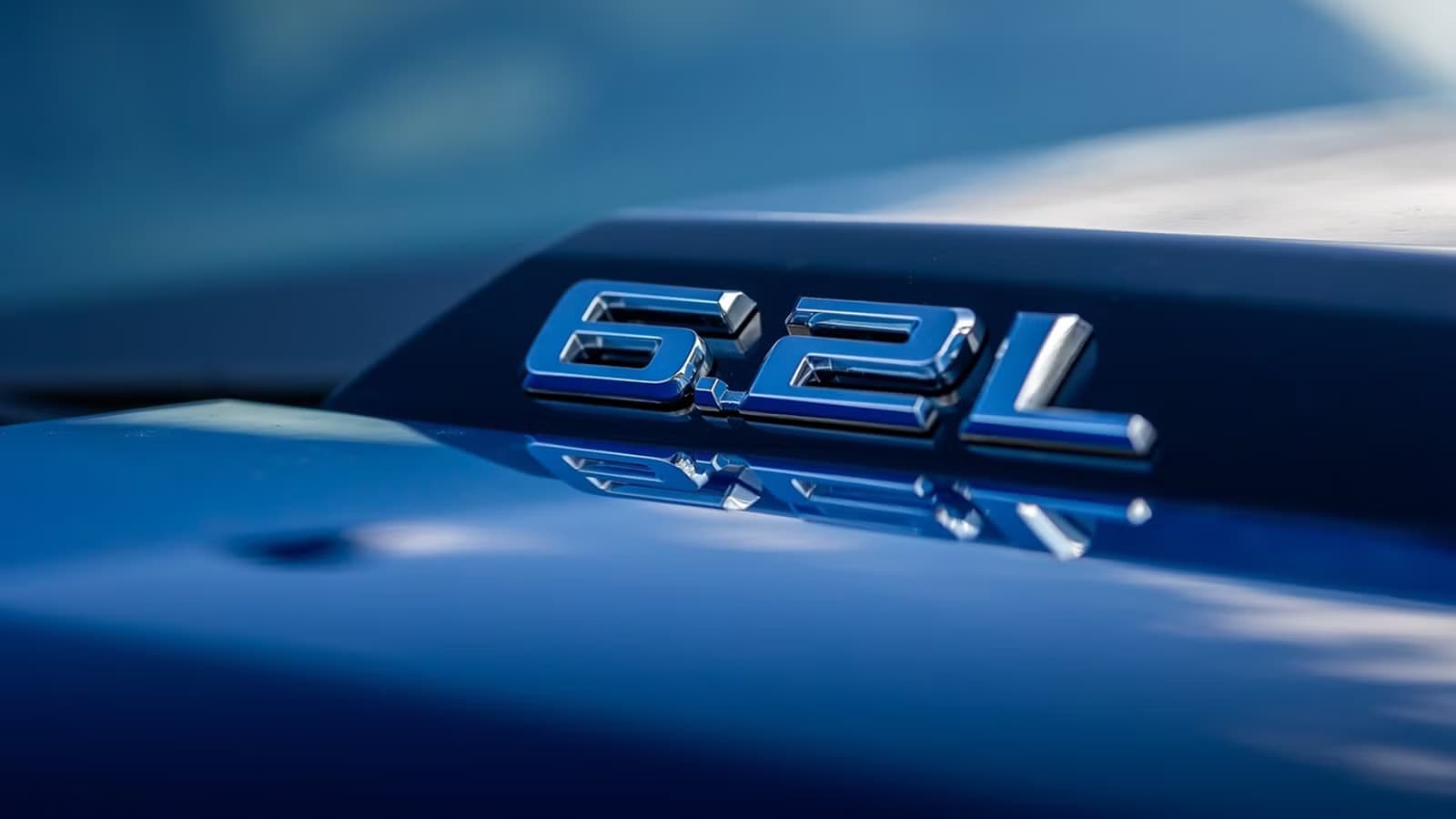
GM recalled 597,571 trucks and SUVs in April 2025 under recall 25V-274, covering L87 V8s built between March 1, 2021 and May 31, 2024. GM blamed a supplier's manufacturing and quality problems: debris in the connecting rods and crankshaft oil passages, and crankshafts whose dimensions or surface finish were out of spec. Any of those can damage the rod bearings.
The remedy starts with an inspection. An engine that fails it gets repaired or replaced. An engine that passes gets thicker oil, 0W-40 instead of the original 0W-20, with a new oil filter and oil fill cap.
The trouble is with that second path. NHTSA opened a recall query in January 2026 after 36 owners reported engine failures after the recall work was done. By the time it upgraded the case to an engineering analysis on August 20, the count was 499. Of those, 473 involved trucks that passed the inspection and got the oil change, and 26 involved trucks with a whole replacement engine. GM itself has reported 6,953 complaints of failures after the remedy.
NHTSA also had 191 reports of failures in L87 engines built after May 2024, outside the recall. That's why the investigation now covers 2021-2026 model years and 997,743 vehicles. There's no new recall yet. If one comes, it could reach trucks that already had the recall done and newer trucks that were never part of it.
The 5.3L V8, the 2.7L turbo four and the 3.0L diesel are not part of this. If the truck you're looking at has a 6.2, our L87 engine page collects what our reports have found on it.
Toyota's twin-turbo V6: three recalls and a new inspection
Toyota's 3.4-liter twin-turbo V6 replaced the Tundra's V8 for 2022. The problem is machining debris that wasn't cleaned out of some engines at the factory. If a piece sticks to the #1 main bearing and the engine keeps working hard, the bearing can fail. Toyota's filing lists the symptoms as knocking, rough running, a no-start or a stall.
Toyota has now filed three recalls for it:
- 24V-381, May 2024: 102,092 2022-2023 Tundras and Lexus LX 600s.
- 25V-767, November 2025: expanded the first recall to 126,691 vehicles, adding 2024 Tundras and 2024 Lexus GX 550s, according to PickupTruckTalk.
- 26V-320, May 2026: 43,566 more 2024 Tundras built between February 7 and August 5, 2024. Toyota tore down engines from that period, found the same bearing wear pattern as in the earlier recalls, and counted 360 warranty claims.
The fix depends on which recall a truck falls under. Trucks in the first recall get a new engine, and Toyota had replaced more than 70,000 by June, The Drive reported. For later trucks, dealers now run software that measures the resonant frequency at the front of the crankshaft to judge the bearing's condition. They replace the engine only if the test can't confirm the bearing is healthy, which has frustrated owners who expected a new engine. Toyota says it changed the #1 main bearing's design starting in July 2024, and replacement engines use the revised bearing.
A September teardown of a replacement engine that failed got a lot of attention (PickupTruckTalk). It's one engine, and the mechanic who took it apart said other factors could explain the failure.
So two 2023 Tundras with the same miles aren't the same truck. One with a documented replacement engine has the revised bearing. One that only passed the software test still has its original. More on the engine on our V35A page.
Nissan Rogue VC-Turbo: two recalls, and failures that give warning
Nissan's variable-compression turbo engines have two separate recalls.
25V-437, filed in July 2025, covers 443,899 vehicles. Most of them, 348,554, are Rogues with the 1.5-liter three-cylinder built between March 2021 and August 2024. The 1.5 replaced the Rogue's 2.5-liter four for the 2022 model year, so in practice these are 2022-2024 Rogues. The rest are 2019-2020 Altimas, 2019-2022 Infiniti QX50s and 2022 QX55s with the 2.0-liter four. Nissan found a manufacturing defect in several of the engine's bearings and estimated that 1.2% of the engines are defective. Dealers check the oil pan for metal debris. If they find none, a 1.5L gets a new oil pan gasket, fresh oil and an engine computer update, and a 2.0L gets fresh oil. If they find debris, the car gets a new engine, a job Nissan says can take up to 15 hours.
26V-080, filed in February 2026, covers 323,917 2023-2025 Rogues for a different cause: oil running hot enough to starve the bearings. The fix is a software update and a check for trouble codes, with a new engine if needed. Nissan knew of 690 warranty claims, autoevolution reported.
A 2023 or 2024 Rogue can fall under both. Nissan says these bearing failures usually build over time and give warning first: abnormal noise from the engine, rough running, a check engine light or a warning message on the dash. That makes the test drive more useful on a Rogue than on the other three engines here.
Rogues from 2008-2021 use a conventional 2.5-liter four-cylinder and aren't part of either recall. Their known weak point is the CVT, which our CVT guide covers.
Honda's 3.5-liter V6: a recall, then a much bigger investigation
Honda's V6 has a long reputation for being hard to kill, which is part of why this one surprises buyers. In November 2023 Honda recalled 248,999 vehicles under 23V-751 because crankshafts were ground incorrectly at the factory, which let connecting rod bearings wear and seize. It covers certain 2016 and 2018-2019 Pilots, 2018-2019 Odysseys, 2017 and 2019 Ridgelines, 2016-2020 Acura MDXs and 2015-2020 Acura TLXs. Dealers inspect the engine and repair or replace it.
In August 2025, NHTSA opened a preliminary evaluation, PE25008, into the same kind of failure across a far larger group: 1,410,806 2016-2020 Pilots and MDXs, 2018-2020 Odysseys and TLXs, and 2017-2019 Ridgelines. It counted 414 reports from owners and 2,598 from Honda, 3,012 in all, including seven crashes or fires and no injuries. NHTSA said these failures fall outside the 2023 recall and don't appear to come from the same crankshaft defect. A class action filed in January 2026 argues the recall didn't fix the problem, CarComplaints reported.
There's no wider recall yet, so most of the cars in that investigation have no fix to check for. A clean VIN check on a 2017 Pilot tells you it has no open recall. It doesn't tell you its bearings are fine. Our J35 engine page has more on this engine.
Is a car with a recall replacement engine a good buy?
Often it's the better buy, as long as the paperwork backs it up. A replacement engine is newer than the rest of the car, and in Toyota's case it has the redesigned bearing. GM's numbers point the same way: of the 499 failures after the repair that owners reported to NHTSA, 26 involved replacement engines and 473 involved engines that only got the thicker oil.
Before you count a replacement engine as a plus:
- Get the repair order. It should show the recall number, the date, the mileage and the new engine's serial number. "The recall was done" with nothing on paper tells you nothing.
- Ask whether the engine was new or remanufactured. GM has said not every truck that needs an engine gets a factory-new one, AutoGuide reported. Either can be fine, but you should know which you're paying for.
- Ask what warranty came with the replacement, and ask the dealer that did the work rather than the seller.
- On a GM 6.2L that passed inspection, check the oil history. It should be 0W-40 at every change since the recall. Receipts showing 0W-20 from a quick-lube mean the engine has been running on the oil GM moved away from.
- Listen to a cold start. A knock that fades as the engine warms up, or a tick that gets faster with revs, means a mechanic needs to see it before you sign anything.
How to check a specific car
- Run the VIN for open recalls. NHTSA's recall lookup shows recalls that haven't been repaired, and our free VIN decoder confirms which engine the car actually has. An open recall on one of these engines isn't a reason to walk away on its own, since the work is free, but the seller should get it done before the sale or price the wait into the deal.
- Ask a dealer for the history. A franchised dealer for the brand can look up completed recall and warranty work by VIN. The NHTSA lookup doesn't show completed work at all.
- Check for investigations as well as recalls. On any 2016-2020 Honda V6 or any 6.2L GM truck, having no open recall doesn't mean there's no known problem.
- Get a pre-purchase inspection. Ask the shop to listen for bearing noise and look at the oil and filter for metal. A used-oil analysis from a lab costs less than an hour of shop labor and can show bearing wear before you hear it.
Final thoughts
None of these engines is a reason to rule out a whole model. Nissan estimated that 1.2% of the VC-Turbo engines in its recall are defective, and most of these trucks and SUVs will never have a bearing failure. The ones worth buying are the ones with recall paperwork you can read and an engine that sounds right on a cold start. On these four engines, check both before you make an offer.
Before you rush into a decision on a specific car, a Squeezed report gives you the full risk picture in 45 seconds, including open recalls and the known problems for its exact engine. It's the step between the news headlines and your offer.
Sources
- NHTSA, ODI Resume EA26005, GM L87 engine failure after recall remedy (opened August 20, 2026)
- NHTSA, ODI Resume RQ26001 (opened January 16, 2026)
- NHTSA, Part 573 Safety Recall Report 26V320, Toyota Tundra V35A (May 20, 2026)
- NHTSA, Part 573 Safety Recall Report 25V437, Nissan and Infiniti VC-Turbo (July 11, 2025)
- NHTSA, ODI Resume PE25008, Honda 3.5L V6 connecting rod bearing failure (opened August 20, 2025)
- NHTSA, Recalls database: 23V-751, 24V-381, 25V-274
- The Drive, Toyota Won't Replace Every Recalled Tundra V6, and Some Owners Are Fed Up (June 16, 2026)
- PickupTruckTalk, Toyota Tundra recall expansion to 2024 models and replacement engine teardown (September 2026)
- autoevolution, Nissan Recalls 323,917 Units of the Rogue for VC-Turbo Engine Bearing Failure (February 19, 2026)
- AutoGuide, GM Replacing Some Failed 6.2L V8s With Remanufactured Engines Instead
- CarComplaints, Honda 3.5-Liter V6 Engine Problems Cause Lawsuit (2026)
FAQ
Is the GM 6.2L L87 engine recall fixed?
Not conclusively. NHTSA opened engineering analysis EA26005 on August 20, 2026, after 499 owner complaints of engine failure following the recall repair, 473 of them on engines that only received the thicker 0W-40 oil. The investigation covers 997,743 2021-2026 GM trucks and SUVs, and no new recall had been issued as of October 2026.
Which Toyota Tundra years have the engine recall?
2022-2024 Tundras with the 3.4L twin-turbo V6 are covered across three recalls (24V-381, 25V-767 and 26V-320), along with 2022-2023 Lexus LX 600s and 2024 Lexus GX 550s. Trucks in the first recall get a replacement engine. Later trucks get a bearing inspection and a new engine only if it can't confirm the bearing is healthy.
Which Nissan Rogue years have engine recalls?
Rogues with the 1.5L VC-Turbo, which arrived for the 2022 model year, are covered by recall 25V-437 for bearing defects (2022-2024) and 26V-080 for high oil temperatures (2023-2025). Rogues from 2008-2021 use a 2.5L four-cylinder and are not part of either recall.
Has the Honda 3.5L V6 engine recall been expanded?
Not as of October 2026. Recall 23V-751 covers 248,999 Hondas and Acuras, and NHTSA's preliminary evaluation PE25008 is looking at the same kind of bearing failure across 1.41 million 2016-2020 vehicles, but no wider recall has been issued.