Tariff-Proof Your Car Search: Which Used Cars Are Getting Quietly Overpriced Right Now
Auto tariffs have pushed new car prices up 10.4%, but the inflation doesn't stop at the new car lot. Used prices on certain models are rising too, and most buyers don't realize it. Here's how to spot which used cars are being artificially inflated and which still offer real value.
 Mirko7 min read

On this page6 sections
Auto tariffs have pushed new car prices up 10.4% in 2026. Most buyers know that. What most buyers don't know is that the inflation doesn't stop at the new car lot. When a new Toyota RAV4 costs $6,000 more because of tariffs, buyers who can't stretch their budget don't disappear. They shift to the used car market. More demand, same supply, higher prices. It's basic economics, but the effect is subtle enough that most shoppers never see it coming. Here's what's actually happening, which used cars to be cautious about, and which ones still offer real value right now.
How New Car Tariffs Create a Used Car Problem
The 25% tariff on imported vehicles affects cars built outside the United States. Models assembled in Japan, Germany, Mexico, and South Korea are all seeing significant price increases on the new car side. The average tariff cost on a fully imported vehicle is $5,000 to $8,900 per car, depending on where it's assembled and the mix of imported components. When a popular new car model gets meaningfully more expensive, a predictable thing happens: buyers flood the used version of that same car. This "demand leakage" effect creates a hidden tariff on used cars that most buyers never account for when they think they're getting a deal. The effect is strongest on models where the new car equivalent is popular and saw the biggest price increases. It's weakest on models that were already unpopular, are domestically assembled, or are in segments that buyers are avoiding for other reasons.
Used Cars at Risk of Tariff Inflation
These segments are seeing demand-driven price pressure beyond what their age and condition would normally justify: Foreign-assembled compact SUVs are the clearest example. The Subaru Outback and Forester (assembled in Gunma, Japan), the Mazda CX-5 (Hiroshima), and older versions of the Honda CR-V and Toyota RAV4 built in Japan are all models where used demand has climbed as new car shoppers look for alternatives to higher new prices. German luxury SUVs are another pressure point. The BMW X3 is assembled in South Africa, the Audi Q5 in San Jose Chiapa, Mexico. Both saw significant new car price increases, and that demand is pushing into the used market. Korean models are also affected. Hyundai and Kia sell models that are partly US-assembled and partly imported, and new car prices on the imported versions have risen, creating spillover demand in the used segment. If you're shopping for any of these used cars and the seller's asking price feels a little high for the mileage and year, there's a good reason for it. It's not necessarily that the car is more valuable. It's that there are more people competing for it right now.
Used Cars That Still Offer Real Value
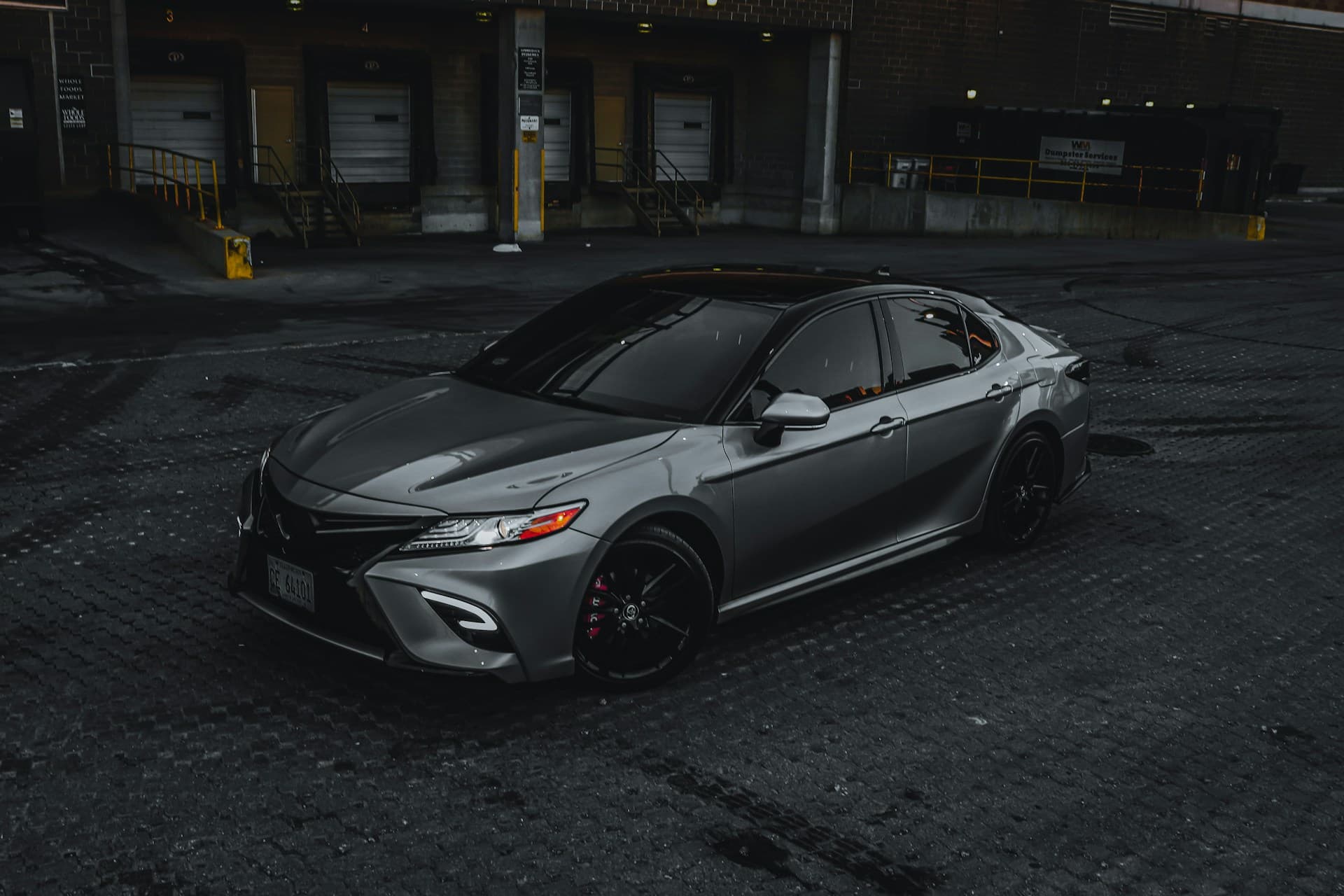
Not all used cars are caught in the tariff demand wave. These segments are relatively insulated: US-assembled Japanese brand models are the clearest value play. Toyota Camry (Georgetown, Kentucky), Honda Accord (Marysville, Ohio), Honda Pilot (Lincoln, Alabama), and Toyota Sienna (Princeton, Indiana) are all built domestically. They're not experiencing the same new-car price surge, so used demand isn't being driven up artificially. You get the reliability of a Japanese brand without the tariff distortion in the used market. American trucks and full-size SUVs remain a segment where tariff distortion is lower. The Ford F-150 (Dearborn and Kansas City), Chevrolet Silverado (Indiana and Michigan), and RAM 1500 (Sterling Heights, Michigan) are domestically assembled. The new car prices haven't risen as sharply, so used demand isn't spiking in the same way. Sedans broadly remain undervalued. American buyers have been avoiding sedans in favor of SUVs for years, and tariff pressure hasn't changed that calculus. A 2017-2020 Honda Accord, Toyota Camry, or Mazda6 can offer exceptional reliability at a price that reflects softer demand, not the underlying quality of the car.
How to Check Where a Car Was Built
The first character of a car's VIN tells you the country of final assembly. Before you get too far into negotiations on any used car, pull up the VIN and check it. A VIN starting with 1, 4, or 5 was assembled in the United States. A VIN starting with J was assembled in Japan. A VIN starting with W was assembled in Germany. A VIN starting with 2 means Canada, and 3 or K covers Mexico and South Korea respectively. This won't tell you whether the components were imported, but it tells you where the car was put together, which is the key distinction for tariff exposure on the new car equivalent. One important nuance: domestic assembly doesn't automatically mean better reliability. A US-assembled Subaru (some Legacies and Outbacks are assembled in Lafayette, Indiana) is just as well-built as its Japan-assembled counterpart. The VIN check isn't about quality. It's about whether the used car you're buying is seeing inflated demand because of what happened to its new car equivalent.
What to Do Before You Make an Offer
Understanding the tariff landscape helps you avoid overpaying for a used car that's priced high primarily because demand shifted from the new car lot. But market pricing is only one part of the equation. A used car can be fairly priced for its segment and still be a bad buy because of model-specific reliability problems, known defect patterns, or a history that the listing doesn't mention. Tariff pressure means more buyers are competing for fewer desirable used cars. That creates the conditions where buyers rush, skip research, and make offers without understanding what they're actually buying. That's exactly when due diligence matters most. Before you make an offer on any used car, run a Squeezed report. It pulls together the model's known failure patterns, reliability outlook, and a price consensus from real market data, so you can tell the difference between a car that's fairly priced and a car that's just expensive.
Frequently Asked Questions
Are all imported used cars overpriced right now?
No. The effect is concentrated on models where the new car equivalent has seen significant tariff-driven price increases, particularly compact and midsize foreign-assembled SUVs. Sedans, older models, and less popular segments are mostly insulated. The key question to ask is whether your target car's new car equivalent got meaningfully more expensive in 2026.
Does buying a domestically assembled car mean I'm avoiding all tariff effects?
Largely yes, for the demand-driven price inflation effect. Domestic assembly means the new car didn't get hit with a large import tariff, so there's no buyer migration pushing up used prices. The car may still have parts sourced from abroad, but that's a cost absorbed by the manufacturer, not a driver of used car prices.
How much are used car prices up because of tariff demand leakage?
The data shows used car prices up about 1.8% year-over-year as of April 2026, with the effect concentrated in foreign-brand compact SUVs and luxury imports. That's a few hundred dollars on a $25,000 car, but in competitive markets with low inventory, the premium can be higher as buyers compete for the same cars.
Is this a reason to buy American?
Not necessarily on its own. Buy the car that fits your budget, reliability needs, and use case. But if you're choosing between two equally reliable cars at similar price points and one is domestically assembled, the market dynamics currently favor the domestic option. The tariff demand distortion is real, but it's one factor among several, not a reason to automatically rule out foreign-assembled vehicles. Once you know where your target car fits in the current market, run a Squeezed report before you commit. Knowing the price is fair is only useful if the car itself is worth buying.