Why Used Car Buyers Are Getting Squeezed Again in 2026
Rising gas prices and shrinking inventory are putting pressure on used car buyers again. Here's why smart buyers are slowing down before making a deal and how to avoid the most common pressure-driven mistakes.
 Mirko6 min read
On this page5 sections
Rising gas prices are changing the used car market fast — and buyers are starting to feel the pressure.
After months of steady price increases, parts of the used car market briefly cooled this spring. But that relief may not last. Fuel costs are climbing again, affordable inventory remains tight, and more shoppers are rushing toward hybrids and fuel-efficient vehicles.
For private-party buyers, this creates a dangerous environment: higher prices, faster sales, and more pressure to make quick decisions. That's exactly when expensive mistakes happen. Here's what's going on and how to avoid getting squeezed.
Gas Prices Are Reshaping Buyer Behavior
As gas prices rise, buyers immediately start searching for vehicles with better fuel economy. Hybrids, compact sedans, and efficient commuter vehicles often see demand spike almost overnight. When gas goes up $0.50 per gallon, the market shifts within days — not weeks.
But that shift creates another problem. When buyers rush toward "fuel- efficient" vehicles, important ownership risks can get overlooked: expensive battery degradation in older hybrids, high-mileage hybrid systems nearing replacement, deferred maintenance that was hidden behind a clean exterior, accident history that gets ignored in the rush, transmission issues that would have been caught with a proper test drive, and inflated resale pricing driven by demand rather than value.
A car that looks like a smart gas-saving decision upfront can quickly become expensive if the underlying vehicle has reliability problems. The $500 per year you save on gas doesn't matter if the transmission costs $4,000 to replace. This is the classic "squeeze" that buyers fall into when they focus on one variable (fuel economy) while ignoring others (total cost of ownership).
Affordable Used Cars Are Getting Harder to Find
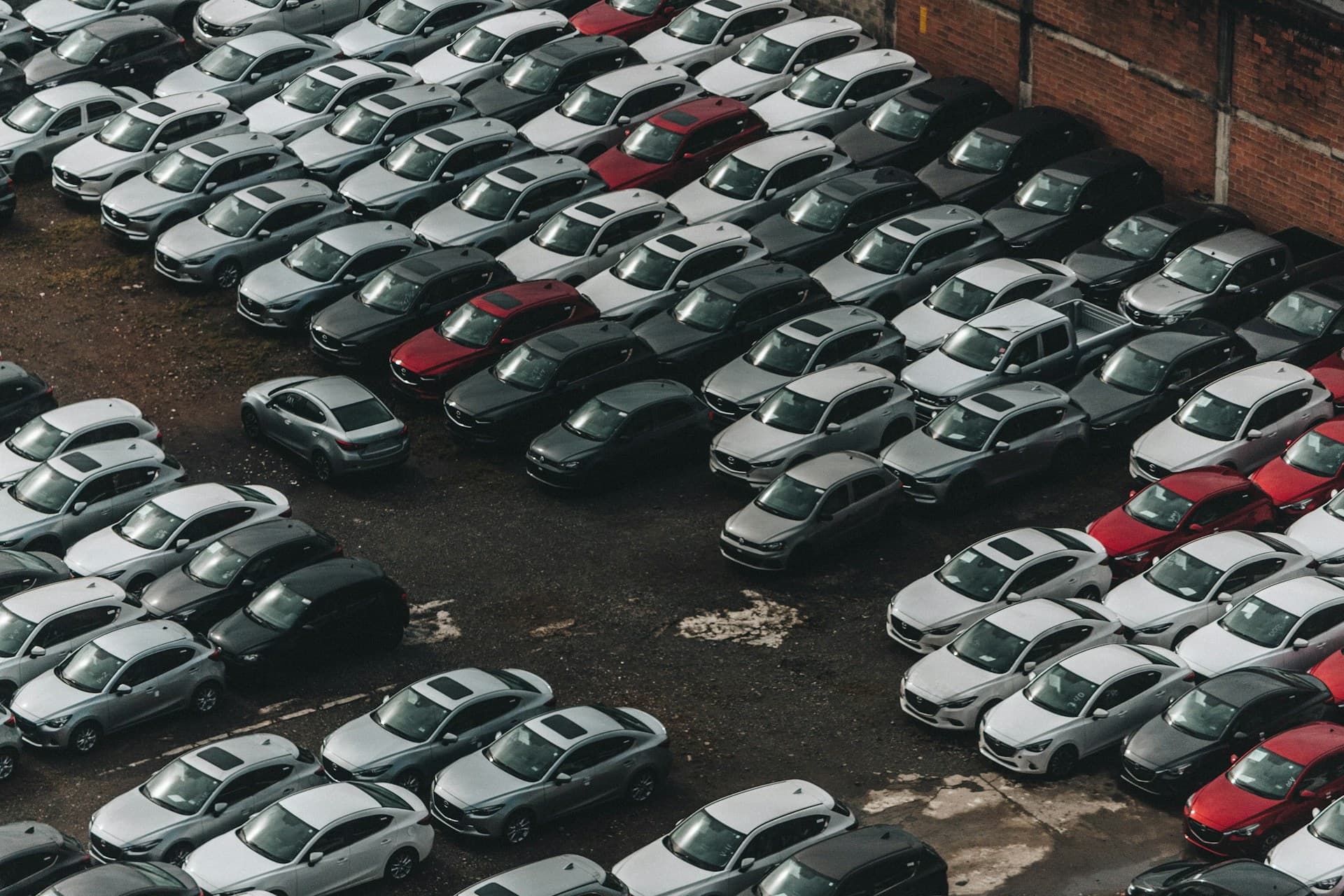
The biggest issue right now is inventory. Affordable used vehicles under $15,000 continue to disappear from many markets, especially clean, well- maintained examples with lower mileage. That creates a perfect storm for buyers: vehicles sell faster, sellers gain negotiating leverage, buyers skip inspections out of fear of losing the deal, emotional purchases become more common, and hidden issues are missed because the pressure to act fast overwhelms the discipline to research.
In private-party sales especially, buyers often have limited information before committing to a purchase. A seller might have three people interested in the first day. The buyer who hesitates loses the car, but the buyer who rushes may overpay for a car with hidden problems. Neither outcome is good, and the only way to win is to be prepared before the listing appears.
Why Cheap Cars Often Become Expensive
A lower listing price does not always mean lower ownership cost. Two vehicles listed at the same price can have completely different long-term risk profiles depending on known failure patterns, repair frequency, maintenance costs, powertrain reliability, recall history, insurance trends, and common owner complaints. Some vehicles become popular during fuel spikes simply because they advertise high MPG — even if they are known for expensive repairs later.
That's where buyers get squeezed. They focus on the purchase price and the fuel economy rating, but they don't look at the total cost of ownership. The result is a car that's cheap to buy and cheap to fuel but expensive to keep on the road. The "squeeze" is the difference between the price you see and the cost you experience.
Smarter Buyers Are Looking Beyond the Listing
Most listings only tell part of the story. A clean exterior, low asking price, or attractive fuel economy rating does not reveal whether a vehicle has expensive known issues waiting around the corner. Smart buyers are starting to look deeper before purchasing: what problems commonly appear after 100k miles, how expensive are typical repairs, does this generation have major reliability concerns, are owners reporting recurring failures, and is the asking price inflated because demand suddenly increased.
Those questions matter far more than the listing photos. And they can be answered in about a minute with a model-specific risk assessment. In a market designed to rush you, the buyer who takes two minutes to research before buying has a massive advantage over the one who acts on impulse.
Frequently Asked Questions
Why is the used car market so tight in 2026?
Three factors: new car prices are near record highs ($48,000 average), pushing more buyers into used cars; pandemic-era production cuts mean fewer 3-to-6- year-old cars are entering the used pipeline; and tariffs on imported vehicles and parts have raised costs across the board. The combination means tight inventory and elevated prices are likely to persist through 2026.
Should I buy a hybrid to save on gas?
Only if the numbers work for your specific situation. Calculate the hybrid premium (typically $2,000-5,000 more than the gas version) against your annual fuel savings. If you drive 12,000 miles per year and gas is $3.50/gallon, a hybrid that saves $500/year in fuel takes 4-10 years to break even depending on the hybrid premium. For low-mileage drivers, a fuel-efficient gas car is often the better choice.
How can I avoid overpaying in this market?
Research the specific model's market value before you negotiate. Use online pricing tools (KBB, Edmunds, NADA) to establish a fair range. Know the model's known issues so you can negotiate based on data. Get pre-approved for financing before you shop. And most importantly, be willing to walk away — the worst deal you can make is the one you felt pressured into.
What's the best strategy for buying in a tight market?
Be prepared before you start shopping. Research the models you're interested in, know their common issues and repair costs, get pre-approved for financing, and have a clear budget that includes taxes, registration, insurance, and maintenance reserves. When the right car appears, you can evaluate it quickly and make a confident offer. The buyers who win in this market are the prepared ones, not the fastest ones.
The combination of rising fuel costs, shrinking affordable inventory, and increasing demand for efficient vehicles is creating a much tougher environment for used car shoppers in 2026. When buyers feel rushed, bad deals become much easier to miss. Slowing down, researching vehicle-specific reliability issues, and understanding long-term ownership risks can save buyers thousands after the purchase. Before you rush into a decision on a specific car, a Squeezed report gives you the full risk picture in about a minute. It's the step between the news headlines and your offer.