2006 · BMW3 Series 325ci
What the data shows
This 2006 325Ci convertible is at the mileage where the E46 cooling system, oil seals, rear subframe mounts, and rubber components deserve close attention. The seller reports new brakes and lower control arm bushings, and the inspection shows clean bodywork, an intact top, and a dry-looking engine bay.
Budget roughly $1,000–2,500 for age-related repairs over the next several years, confirm cooling-system and rear-subframe history, and test the roof repeatedly. The $3,500 asking price is below the estimated private-party market position.
At a Glance
What this guide surfacedthe expansion tank, water pump, and thermostat are failure-prone age items at this mileage
an apparently working roof still has expensive age-related cylinders, hoses, and pump components
cracks around the rear axle carrier mounts can develop and require structural repair
the inspection shows straight panels, consistent gaps, and no visible corrosion or collision damage
the fabric, rear window, and seams show weathering but no obvious tears
the seller states that the lower control arm bushings and brakes were replaced
fresh tires reduce an immediate operating expense
Reliability Outlook
Modeled risk by mileageWeak
Deal Score weighs the asking price against comparable listings, the title, and the repairs documented in this guide.
- Price 40% below market
- Unusually large discount — verify the listing is genuine
- 7 major issues
- 4 open safety recalls
Cross-referenced 25 citations across 12 findings, including 9 owner-report sources.
Next · 2 of 6
Detailed findings, 12 items
Click any card for the full breakdown, repair cost, and what to check. Items already handled by the owner show as checked.
Reflects the open findings; items the owner handled are excluded.
Confirm these before you buy. If you or a mechanic can verify them, that clears the car instead of ruling it out.
Cooling-System Plastic Failure
The plastic radiator expansion tank, radiator necks, water-pump impeller, and related fittings can crack or fail, causing a rapid coolant loss and overheating. At 146,000 miles and 20 years old, any original cooling components are beyond their normal service window.
Costly repairs, but not urgent to verify before you buy. Price them out and use them to negotiate.
Rear Subframe Mount Cracking
The rear axle carrier mounting points can crack around the trunk floor, causing clunks, shifting rear-wheel alignment, or visible seam movement. The problem is documented on E46 cars, including convertibles, and may require structural reinforcement rather than a simple bolt-on repair.
Automatic Transmission Valve-Body Wear
The five-speed automatic transmission can develop delayed engagement, harsh shifts, flare between gears, or converter shudder as valve-body seals and solenoids wear. Continued slipping or repeated harsh shifting can turn a serviceable transmission into a rebuild candidate.
Convertible Top Hydraulic Leakage
The convertible roof's hydraulic cylinders, hoses, or pump can leak with age, making the top slow, uneven, or inoperative. The inspection shows an intact roof, but external appearance does not confirm that the hydraulic system will continue operating reliably.
Crankcase Ventilation Failure
The crankcase ventilation valve and its hoses can clog, split, or become oil-soaked, producing rough idle, whistling, excess oil consumption, or smoke from the exhaust. Brittle hoses are especially common on an engine this old even when the car currently runs smoothly.
Oil Filter Housing Gasket Leakage
The oil filter housing gasket can harden and leak engine oil down the front side of the engine, often leaving wetness around the housing and alternator area. The visible engine bay looks dry, but a small leak can begin behind components that are difficult to see from above.
Front Crank Seal Oil Leakage
The front crankshaft seal can harden and leak oil behind the crank pulley, leaving oil on the lower front of the engine or undertray. The leak may start slowly, but oil contamination around the belt drive can create additional repair work.
Differential Bushing Deterioration
The rear differential mounting bushing can soften or tear, producing a clunk when shifting from reverse to drive or when lifting and applying the throttle. Worn rubber also allows excess differential movement that can stress the rear mounting structure.
Brake and Control-Arm Renewal
Minor wear typical for the car’s age. Not worth negotiating over, but good to track as an owner.
Convertible Window Regulator Failure
The frameless door-window regulators and plastic guides can wear or break, causing a window to move slowly, tilt, bind, or drop inside the door. Convertible windows cycle frequently because they must index downward when the doors open.
Rubber Suspension Boot Deterioration
The rubber boots around the front suspension joints and rear suspension links can split, exposing grease and allowing dirt into the joint. The seller's lower control arm bushing repair does not establish that the adjacent ball-joint boots and rear links are also renewed.
Dashboard Pixel Display Loss
The instrument-cluster and climate-control displays can lose pixels or develop dim, missing segments, making temperatures, warnings, or radio information difficult to read. This is an age-related display fault rather than an engine problem.
Every finding still open carries a question worth asking. Copy them as one message, already ordered by severity. Anything you have marked above drops off on its own.
Next · 3 of 6
Photo inspection
What the photos show about this specific car, graded against its age and mileage. Normal wear for the miles is called normal; only what is worse than the miles suggest is flagged.
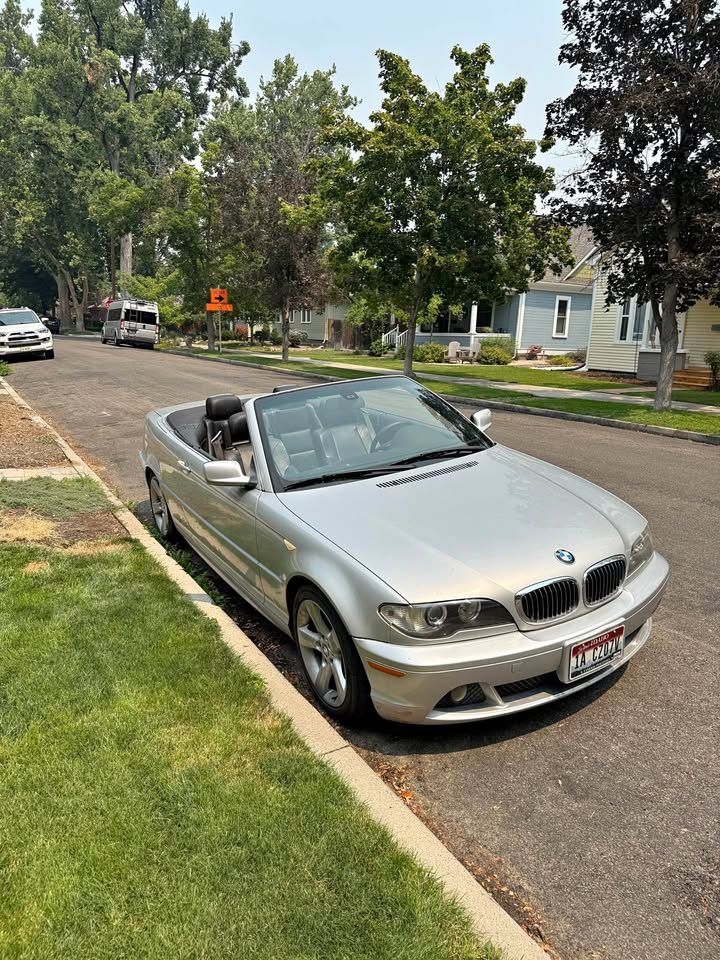 01
01Exterior: Clean, straight, and well-presented
The visible panels align well, with only normal minor road wear and no obvious rust or accident damage.
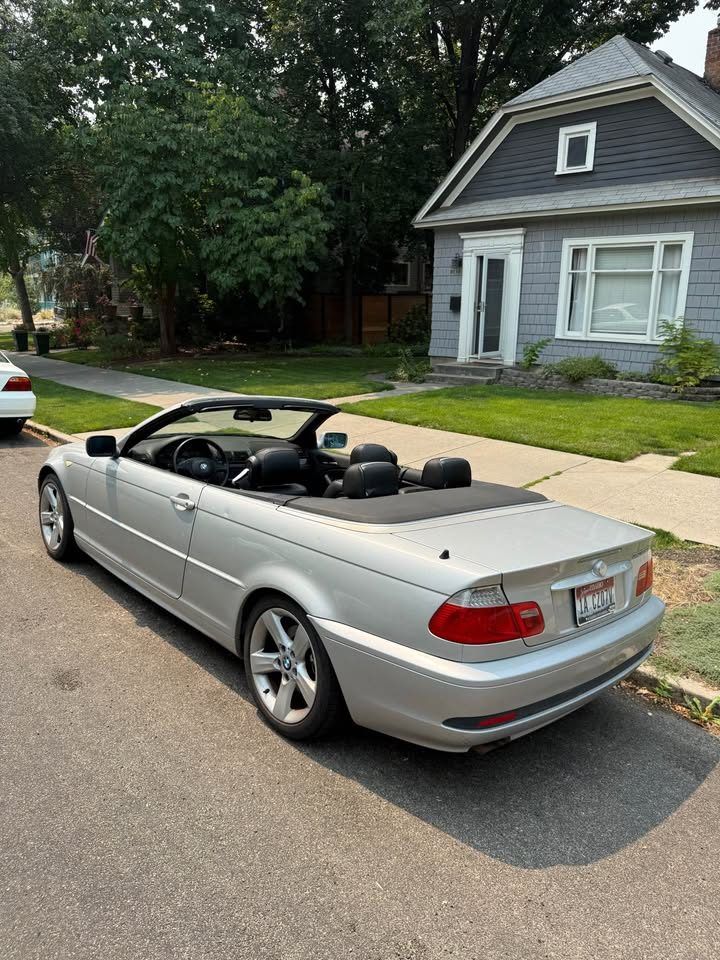 02
02Rear body: Straight with intact lamps
The rear bumper, lights, wheels, and convertible bodywork look complete without visible rust or collision damage.
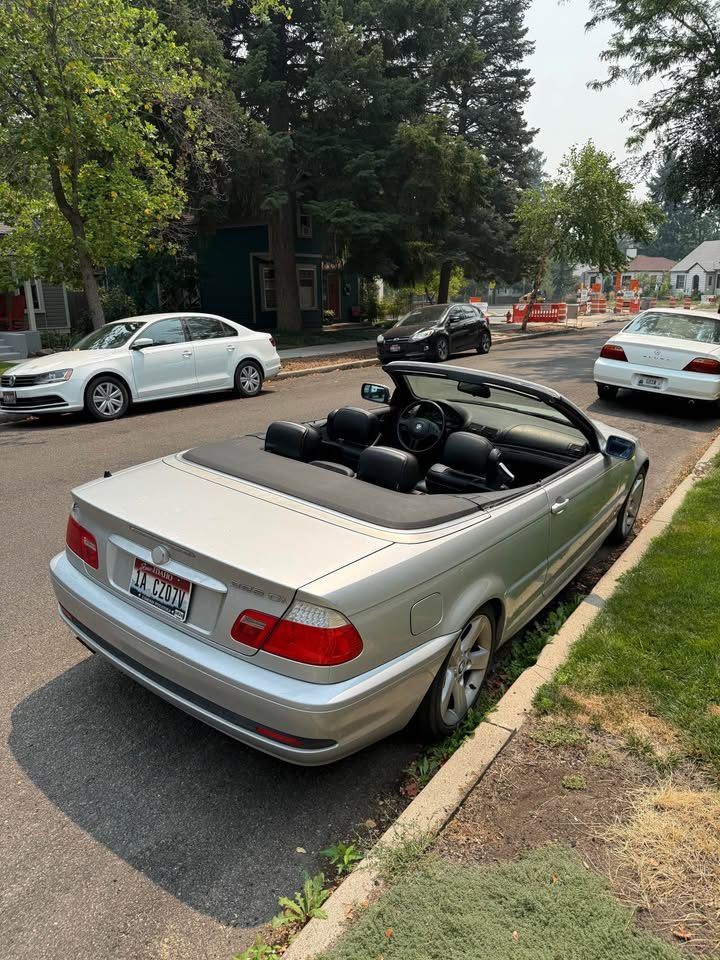 03
03Convertible body: Clean rear-quarter finish
The paint and panel gaps look consistent, with no visible corrosion, mismatched panels, or significant dents.
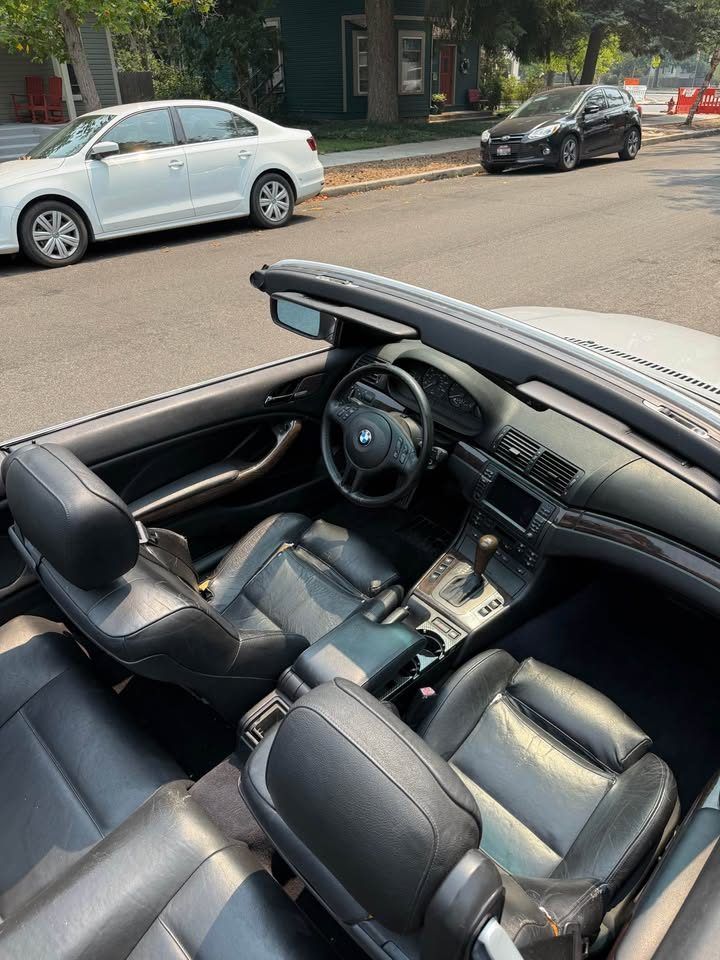 04
04Interior: Light leather wear, no tears visible
The seats show expected creasing and surface wear, while the dashboard, trim, and controls remain complete.
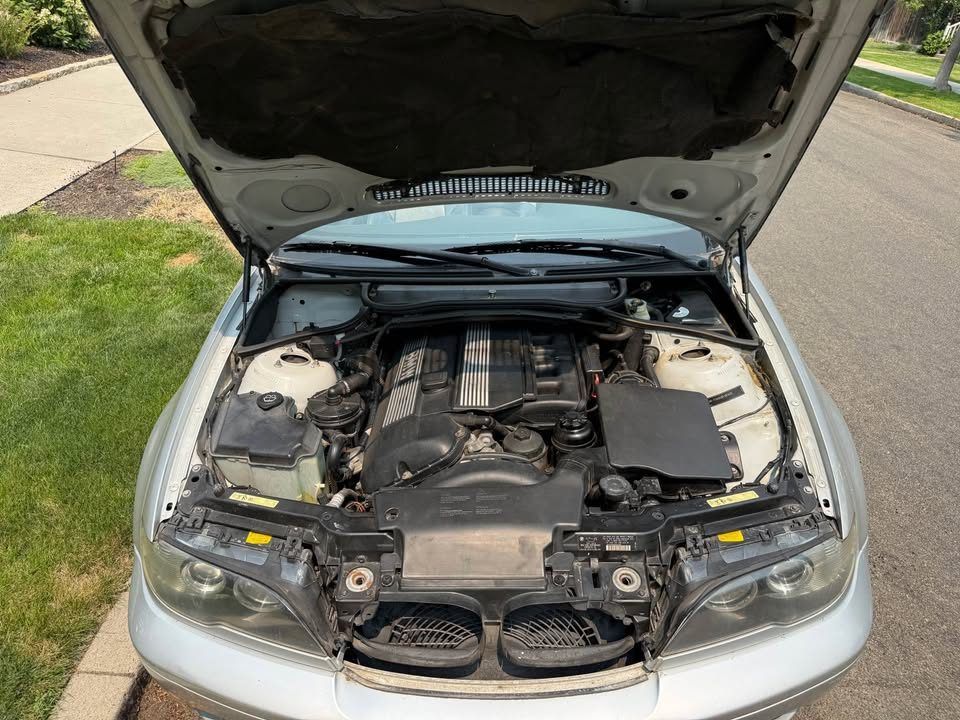 05
05Engine bay: Complete, dry, and moderately dusty
Dust and aging hood insulation are mainly cosmetic; no obvious fluid leaks, missing components, or severe corrosion are visible.
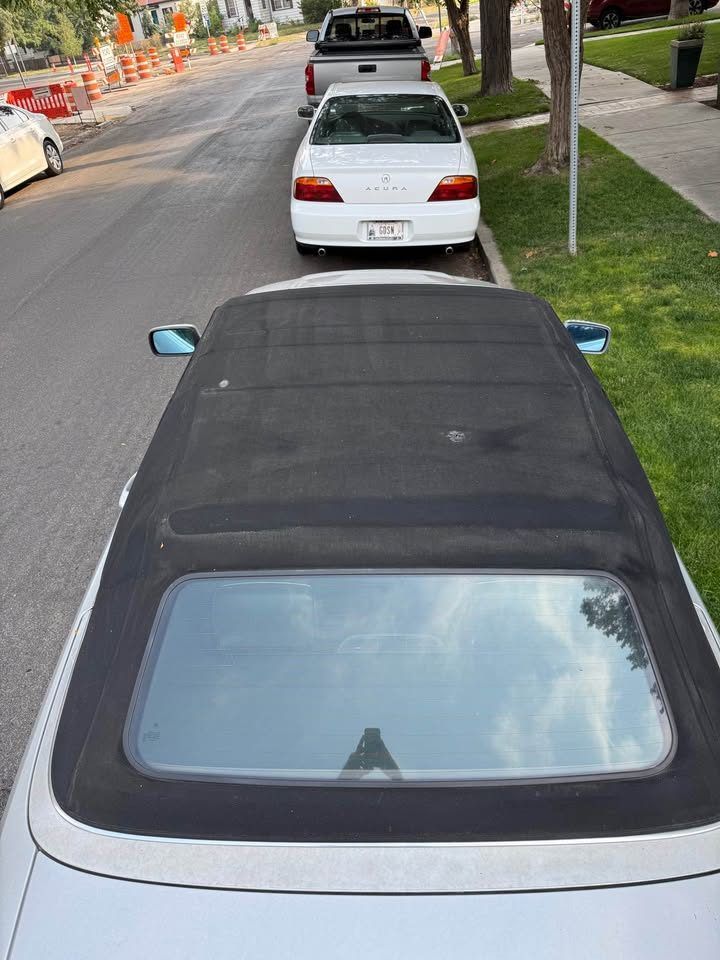 06
06Soft top: Weathered but apparently intact
The fabric looks aged and dusty, but the window and seams show no obvious tears or serious damage.
Visual assessment of what the photos show, surface condition only. Confirm mechanical findings in person.
Next · 4 of 6
Price & negotiation
Based on comparable listings and the repairs you can document. A starting point for what this car should cost.
Discounts this deep are sometimes real, but they are also the classic pattern for scam listings, undisclosed damage, and title problems. Before paying anything: see the title in hand, check the VIN matches the car and the paperwork, and walk away from any seller who won't meet in person or asks for a deposit up front.
Price breakdown
What it costs, and when
Verify now
Critical and major items to confirm first.
Possible year-one expense
Caution items with repair-cost context.
Each range is what that one item costs if it turns out to be present. Not every item will apply to this car, so they do not add up to a bill. Verify with a mechanic.
Asking is $3,500 against a typical $5,800 for this car and mileage. The work is the difference, not the sticker.
Negotiate your offer
Asking is about 40% below the market estimate, so there may be less room to move. The documented repairs below are still relevant to raise.
- Documented critical/major repairs of $5,700–$16,000 you can point to.
- Strongest items to raise first: Rear Subframe Mount Cracking, Automatic Transmission Valve-Body Wear.
Market context comes from research-model analysis of comparable listings and repair-cost data. This is information to help you research, not a professional inspection, an appraisal, or financial advice. Verify everything independently before making any offer.
Next · 5 of 6
Recalls & safety
NHTSA crash-test ratings and recall data for this make, model, and year. Check recall status with your VIN before buying.
Next · 6 of 6
In-person inspection
12 things to check before you buy
8 major and 3 caution findings, turned into a walkthrough for the driveway. Answers save as you go.
Before you leave: Ask the seller not to start or move the car before you arrive. A sales-ready car has usually been warmed up, and a warm engine hides the startup smoke, rattles and rough idle that the first section is built around.
01Exterior Walk-around1
Look at the ground under the car before anything else, and separate fresh wet marks from old stains. Then walk the body in daylight: panel gaps and paint texture for past repairs, glass, lights, tire age, and the wheel arches and rockers for rust or filler. Push each corner down; it should rebound once and settle.
02Underneath4
Get low with the flashlight while everything is still cool. Look for drips and oily residue, feel inside the tailpipe for black greasy soot, and check the rubber CV boots at the ends of the axles for splits throwing grease. Kinks in the frame rails, fresh weld marks, and new undercoating on an old car all point at repaired collision damage.
03Interior & Electronics2
Turn the key to accessory and then on, before starting. Confirm every warning light comes on and then clears, and test the windows, locks, climate fan, infotainment, and seats while the engine is off. Smell for damp, lift the mats to feel for wet carpet, and compare pedal rubber wear against the odometer.
04Engine & Systems3
Before the first start: pull the oil dipstick and look for a milky film, check the coolant for oil or rust, squeeze the radiator hoses for hard or mushy spots, and note the battery date. Once warm: confirm the cooling fans cycle, listen for belt noise, look for fresh seepage that was not there cold, and check that the A/C blows cold.
05Test Drive1
Drive a route with stops, a hill, and some open road. Feel for shift quality, clutch or torque-converter behaviour, brakes that pull or pulse, steering play, and any noise that changes with speed or steering angle.
06Documentation1
Match the VIN across the title, dash, and door jamb. On a dealer lot, read the Buyers Guide sticker: it states whether the car carries a warranty or is sold as is, and as is means every repair after the sale is yours. Review service records and recall history, then run an OBD-II scan for stored and pending codes.
Everything on this list is what you can see standing next to the car. A shop on a lift sees the rest, and a written pre-purchase inspection listing parts and labor is what a seller has to answer to. Budget roughly $100 to $150 at an ASE-certified shop.
Your car next?
Get your own Buyer Guide
Same depth of analysis, personalized to the exact vehicle you're evaluating. Known failure patterns, repair cost exposure, and questions to ask the seller.
More guides