2016 · Mercedes-BenzE-Class E350 4matic (wagon)
What the data shows
This 2016 E350 4MATIC wagon uses the generally durable 3.5-liter M276 V6, but at 107,000 miles it is entering the age and mileage window for cooling-system leaks, engine-mount wear, transmission servicing, and rear self-leveling air-suspension repairs. The visible condition is encouraging: the body is straight, the lighting and trim look intact, and the leather shows only light wear.
Budget roughly $2,000–4,000 for a possible rear air-suspension or driveline repair and verify that the wagon sits level after parking overnight. Request records for transmission and four-wheel-drive service, then compare the $17,978 asking price with the $15,000–17,000 market estimate; it is somewhat above market.
At a Glance
What this guide surfacedthe asking price is about 12% above the estimated private-party midpoint for this mileage and configuration
aging air springs and compressor components can create a several-thousand-dollar repair
transfer-case and front-axle leaks or wear are expensive to diagnose if vibration develops
the buyer's inspection shows aligned panels, intact lighting, and no visible rust or collision damage
visible wear is light for 107,000 miles, with intact seams and no visible tears
the buyer's inspection shows intact bumpers, lamps, hatch, and exhaust surrounds
Reliability Outlook
Modeled risk by mileageWeak
Deal Score weighs the asking price against comparable listings, the title, and the repairs documented in this guide.
- Price 12% above market
- 8 major issues
Cross-referenced 22 citations across 11 findings, including 7 owner-report sources.
Next · 2 of 6
Detailed findings, 11 items
Click any card for the full breakdown, repair cost, and what to check. Items already handled by the owner show as checked.
Reflects the open findings; items the owner handled are excluded.
No critical faults widely reported
The research turned up no critical failure patterns for this trim and engine. That is about the model, not about the condition of this particular car: an in-person inspection can still find critical faults on it.
Costly repairs, but not urgent to verify before you buy. Price them out and use them to negotiate.
Rear Air Springs
A meaningful minority of surviving E-Class wagons develop leaking rear air springs around this age and mileage. The rear of the wagon may sag after sitting overnight, the compressor may run repeatedly, or the suspension warning may appear.
Engine Mounts
Roughly half of M276-powered W212 cars at this mileage show some engine-mount deterioration. Collapsed hydraulic mounts transmit vibration through the seat and steering wheel, especially at idle or when shifting into drive.
Oil Filter Housing Seal
A common minority-to-moderate failure on M276 engines is leakage from the oil filter housing and nearby sealing surfaces by this mileage. Oil can run down the front side of the engine and collect on the undertray without producing an immediate dashboard warning.
Thermostat
A recurring M276 cooling-system problem is thermostat failure in higher-mileage examples. A thermostat stuck open can keep the engine below normal temperature and trigger a warning, while a stuck-closed thermostat can cause overheating.
Seven-Speed Transmission Service
Many W212 cars with the seven-speed automatic transmission reach this mileage needing documented fluid and filter service, and some develop valve-body or conductor-plate faults later. Delayed engagement, harsh shifts, or a transmission warning are the main signs.
Four-Wheel-Drive Fluid Leaks
A smaller but documented group of W212 4MATIC cars develops seepage at the transfer case, front differential, or front axle seals as mileage rises. Low fluid may show up as driveline vibration, humming, or binding during tight turns.
Front Suspension Bushings
A substantial number of W212 cars at roughly 100,000 miles develop play in front control-arm bushings and ball joints. The usual signs are clunks over broken pavement, wandering, or uneven front-tire wear.
Timing Chain Noise
A small minority of M276 engines develop timing-chain tensioner or guide noise, usually heard on a cold start rather than during normal driving. Brief rattle is not proof of failure, but persistent noise or camshaft timing faults needs prompt diagnosis.
Minor wear typical for the car’s age. Not worth negotiating over, but good to track as an owner.
Auxiliary Battery
A moderate number of older W212 cars develop an auxiliary-battery fault that produces convenience-system or battery warnings. The car may still start normally, so the warning can be the first obvious symptom.
Brake Wear
Many E-Class wagons at this mileage need another set of brake pads and rotors, particularly if they have spent time towing or carrying heavy loads. Pulsation, grinding, or a low pad warning indicates the service is no longer just routine wear.
Tailgate Wiring
A small minority of W212 wagons develop broken or intermittent wires in the powered tailgate harness after repeated hatch movement. Symptoms include an inoperative latch, rear lights, backup camera, or power tailgate.
What's working well
Visible Body Condition
This particular vehicle's photographed exterior appears unusually well preserved for its age and mileage. The buyer's inspection shows straight panels, intact lighting, aligned bumpers, and no visible rust or collision-related misalignment.
Clean visible body condition reduces concern about obvious accident damage or neglected exterior corrosion, though it does not establish hidden mechanical condition.
Interior Leather Condition
This particular wagon's photographed leather interior shows only light wear for 107,000 miles. The buyer's inspection found intact seams, no visible tears, and complete dashboard and console trim.
A well-kept interior supports the impression that the car has not been heavily abused, although it cannot confirm maintenance quality.
Every finding still open carries a question worth asking. Copy them as one message, already ordered by severity. Anything you have marked above drops off on its own.
Next · 3 of 6
Photo inspection
What the photos show about this specific car, graded against its age and mileage. Normal wear for the miles is called normal; only what is worse than the miles suggest is flagged.
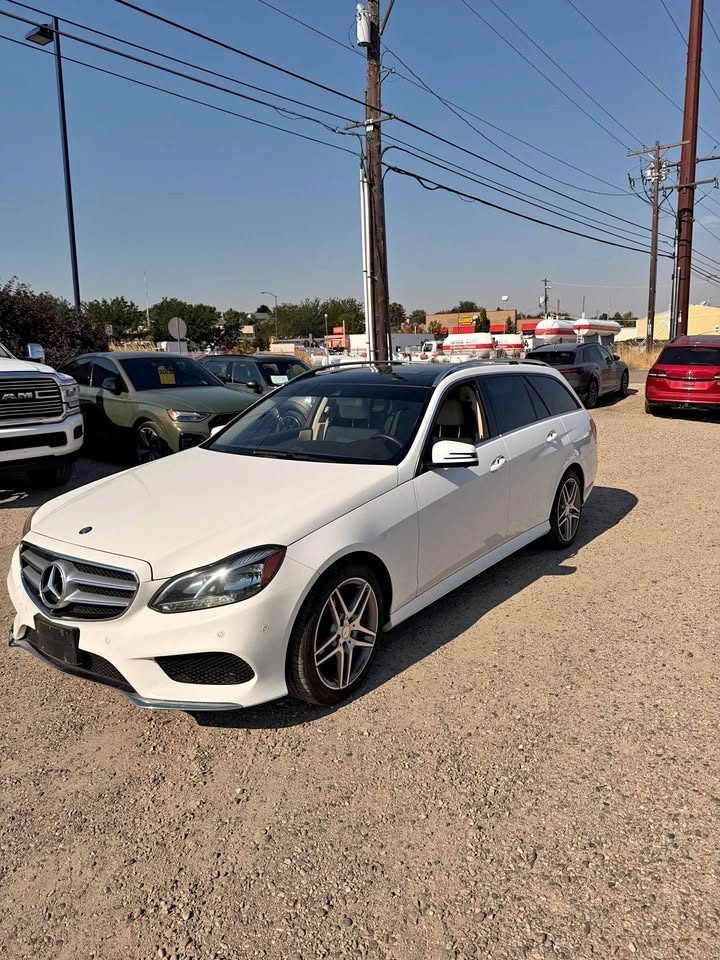 01
01Exterior: straight panels and intact lighting
The body presents well, with no visible rust, cracks, or accident-related misalignment.
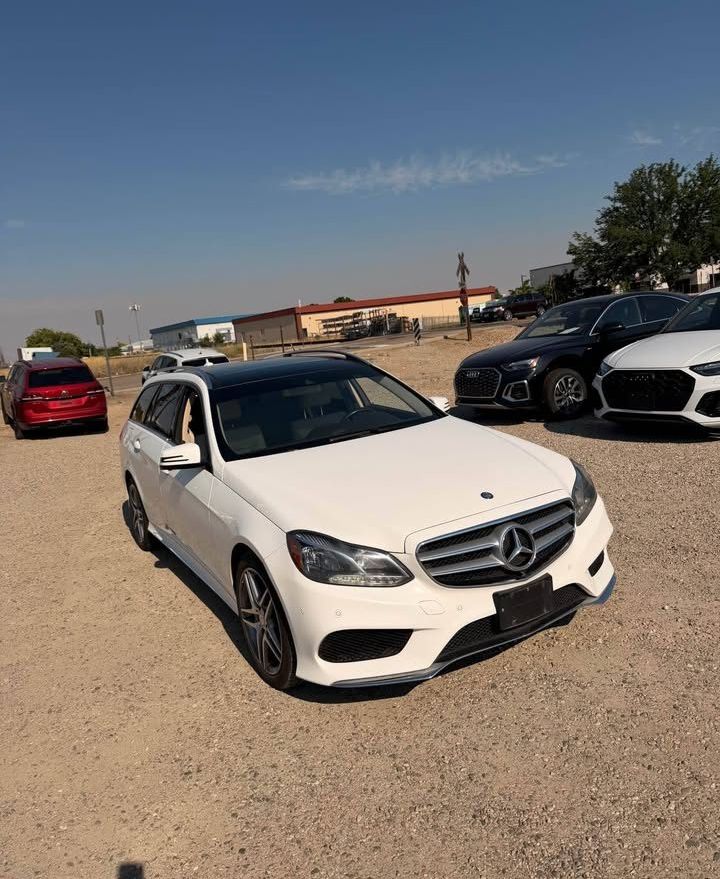 02
02Front end: clean bumper and aligned panels
The hood, grille, lamps, and bumper appear intact without visible collision damage or significant deterioration.
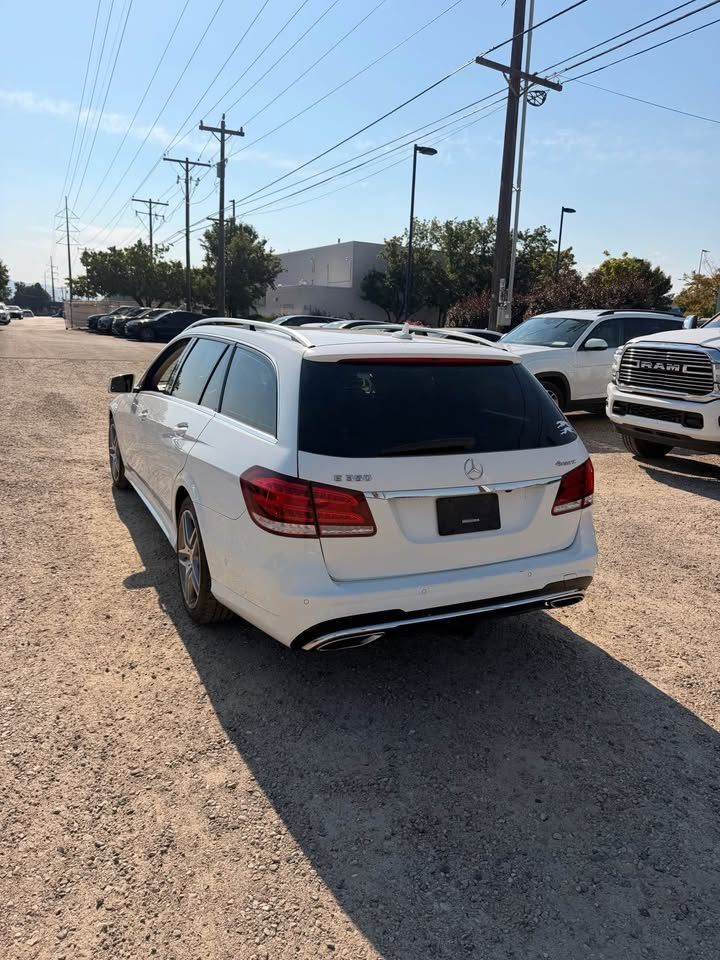 03
03Rear body: clean and properly aligned
Tail lamps, hatch, bumper, and exhaust surrounds look intact without visible rust or collision damage.
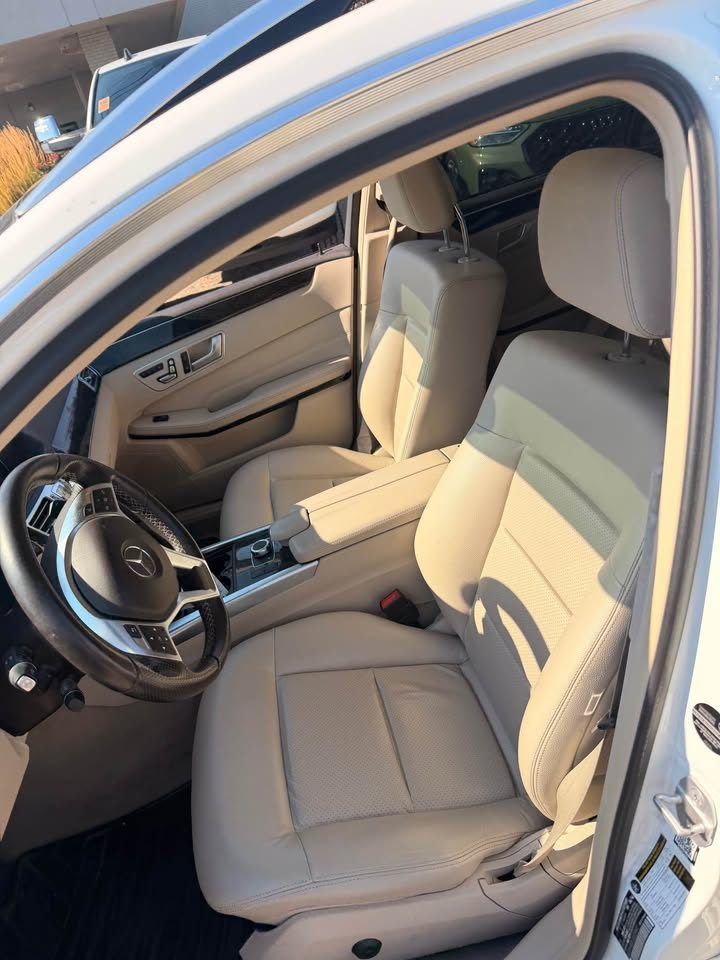 04
04Interior: lightly worn leather in good condition
The upholstery remains presentable for 107,000 miles, with intact seams and no visible tears or severe staining.
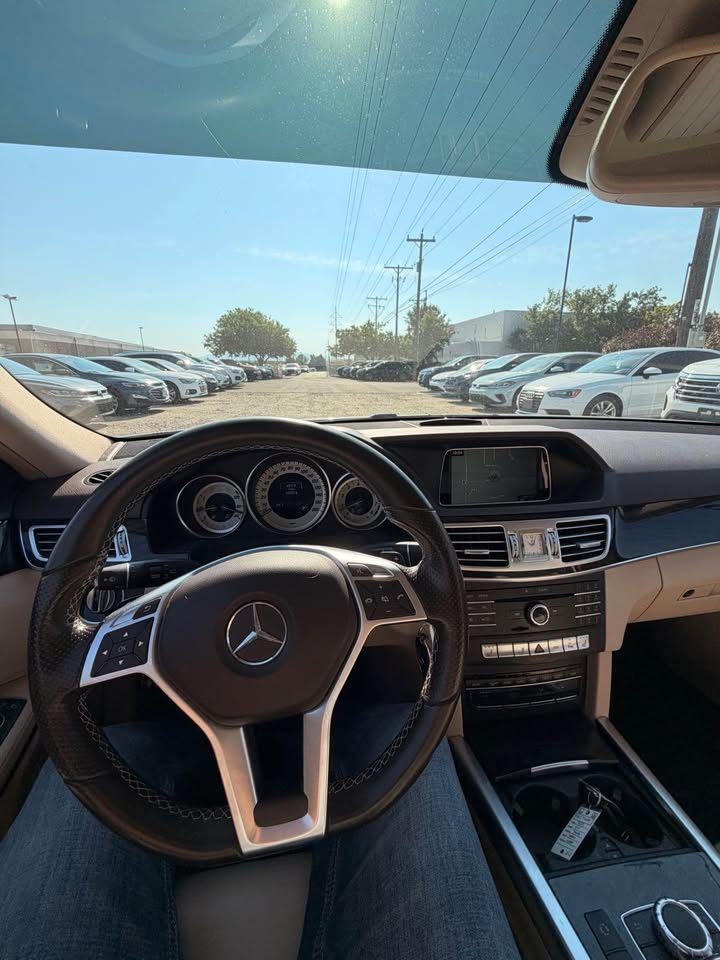 05
05Dashboard: complete controls and clean trim
The steering wheel, instrument cluster, screen, and console show normal use without visible cracks or missing trim.
Visual assessment of what the photos show, surface condition only. Confirm mechanical findings in person.
Next · 4 of 6
Price & negotiation
Based on comparable listings and the repairs you can document. A starting point for what this car should cost.
Price breakdown
What it costs, and when
Verify now
Critical and major items to confirm first.
Possible year-one expense
Caution items with repair-cost context.
Each range is what that one item costs if it turns out to be present. Not every item will apply to this car, so they do not add up to a bill. Verify with a mechanic.
Asking is $17,978 against a typical $16,000 for this car and mileage. The work is the difference, not the sticker.
Negotiate your offer
At asking, this is about 12% above the market estimate (about $1,978). The documented repairs below are the kind of evidence buyers cite to start lower.
- Documented critical/major repairs of $7,050–$17,500 you can point to.
- Strongest items to raise first: Timing Chain Noise, Rear Air Springs.
Market context comes from research-model analysis of comparable listings and repair-cost data. This is information to help you research, not a professional inspection, an appraisal, or financial advice. Verify everything independently before making any offer.
Next · 5 of 6
Recalls & safety
NHTSA crash-test ratings and recall data for this make, model, and year. Check recall status with your VIN before buying.
Next · 6 of 6
In-person inspection
11 things to check before you buy
8 major and 3 caution findings, turned into a walkthrough for the driveway. Answers save as you go.
Before you leave: Ask the seller not to start or move the car before you arrive. A sales-ready car has usually been warmed up, and a warm engine hides the startup smoke, rattles and rough idle that the first section is built around.
01Cold Start CheckFirst1
Start the engine cold while you watch the exhaust and listen. Note how quickly it catches, the tint of any smoke, rattles in the first few seconds, and how smoothly it settles into idle. This is the one test you cannot repeat on the spot.
02Exterior Walk-around1
Look at the ground under the car before anything else, and separate fresh wet marks from old stains. Then walk the body in daylight: panel gaps and paint texture for past repairs, glass, lights, tire age, and the wheel arches and rockers for rust or filler. Push each corner down; it should rebound once and settle.
03Underneath2
Get low with the flashlight while everything is still cool. Look for drips and oily residue, feel inside the tailpipe for black greasy soot, and check the rubber CV boots at the ends of the axles for splits throwing grease. Kinks in the frame rails, fresh weld marks, and new undercoating on an old car all point at repaired collision damage.
04Engine & Systems3
Before the first start: pull the oil dipstick and look for a milky film, check the coolant for oil or rust, squeeze the radiator hoses for hard or mushy spots, and note the battery date. Once warm: confirm the cooling fans cycle, listen for belt noise, look for fresh seepage that was not there cold, and check that the A/C blows cold.
05Test Drive3
Drive a route with stops, a hill, and some open road. Feel for shift quality, clutch or torque-converter behaviour, brakes that pull or pulse, steering play, and any noise that changes with speed or steering angle.
06Documentation1
Match the VIN across the title, dash, and door jamb. On a dealer lot, read the Buyers Guide sticker: it states whether the car carries a warranty or is sold as is, and as is means every repair after the sale is yours. Review service records and recall history, then run an OBD-II scan for stored and pending codes.
Everything on this list is what you can see standing next to the car. A shop on a lift sees the rest, and a written pre-purchase inspection listing parts and labor is what a seller has to answer to. Budget roughly $100 to $150 at an ASE-certified shop.
Your car next?
Get your own Buyer Guide
Same depth of analysis, personalized to the exact vehicle you're evaluating. Known failure patterns, repair cost exposure, and questions to ask the seller.
More guides