2013 · Porsche911 Carrera S
What the data shows
This 2013 Carrera S has the desirable naturally aspirated 3.8-liter engine and only 45,657 miles. The main documented ownership risks are Porsche Doppelkupplung transmission servicing, water-pump and thermostat failure, front condenser damage, and aging suspension components; the clean visible condition and stated receipt binder are encouraging.
Budget roughly $2,000–4,000 for near-term age-related work, verify the Porsche Doppelkupplung service records and inspect the modified suspension carefully. The $77,500 asking price is about 6% above the $73,000 market estimate, which is reasonable for this specification if documentation supports it.
At a Glance
What this guide surfacedBilstein coilovers and a suspension controller add setup and installation variables
the dual-clutch transmission depends on correct fluid and filter servicing
water pumps, thermostats, and air-conditioning condensers are time-sensitive wear items
straight panels, aligned lights, and no visible corrosion or impact mismatch
leather bolsters and controls show only mileage-appropriate wear
the seller states that receipts for up-to-date maintenance are retained
Sport Techno II wheels, Porsche Sport Exhaust, sunroof delete, and Porsche Dynamic Light System add enthusiast appeal
Reliability Outlook
Modeled risk by mileageWeak
Deal Score weighs the asking price against comparable listings, the title, and the repairs documented in this guide.
- Price 20% above market
- 7 major issues
Cross-referenced 22 citations across 9 findings, including 5 owner-report sources.
Next · 2 of 6
Detailed findings, 9 items
Click any card for the full breakdown, repair cost, and what to check. Items already handled by the owner show as checked.
Reflects the open findings; items the owner handled are excluded.
No critical faults widely reported
The research turned up no critical failure patterns for this trim and engine. That is about the model, not about the condition of this particular car: an in-person inspection can still find critical faults on it.
Costly repairs, but not urgent to verify before you buy. Price them out and use them to negotiate.
Porsche Doppelkupplung Service Neglect
Old or incorrect fluid in the Porsche Doppelkupplung transmission can cause harsh engagement, delayed shifts, clutch judder, or transmission fault messages. The transmission has a scheduled fluid and filter service, and missed service raises the chance of expensive mechatronic or clutch repairs.
Water Pump Bearing Failure
The belt-driven water pump can develop bearing play or a coolant leak, causing coolant loss, pulley noise, or rising engine temperature. The pump is a documented maintenance concern on the 991.1 flat-six and can fail from age even at relatively low mileage.
Thermostat Housing Leakage
The engine thermostat and its plastic housing can stick or seep, producing slow warm-up, temperature fluctuations, or coolant residue around the housing. The thermostat is frequently renewed during water-pump work because both components occupy the same cooling-system service area.
Front Condenser Corrosion
Road debris and moisture can damage or corrode the air-conditioning condensers behind the front bumper, causing loss of refrigerant and weak or warm air from the vents. The low-mounted condensers are exposed to debris and are a repeatedly reported 991 repair item.
Engine Mount Sagging
The hydraulic engine mounts can soften or leak, allowing excess engine movement, vibration at idle, or a clunk during throttle changes. Mount deterioration is age-related and can appear before this car reaches high mileage.
PASM Damper Leakage
The original electronically controlled dampers can leak or lose damping, producing oily damper bodies, bouncing, uneven tire wear, or a suspension warning. This car's Bilstein B16 coilovers and controller change the failure points, so installation quality and calibration matter as much as the underlying chassis.
Ignition Coil Cracking
Heat and age can crack the ignition-coil housings or degrade their boots, producing a misfire, rough idle, hesitation, or a check-engine light. The naturally aspirated direct-injection engine uses one coil per cylinder, so a single weak coil can create an intermittent fault.
Minor wear typical for the car’s age. Not worth negotiating over, but good to track as an owner.
Coolant Hose Aging
Rubber coolant hoses and plastic connections can harden, swell, or begin seeping with age, leaving dried coolant marks or a sweet smell after driving. At 13 years old, time-related hose deterioration deserves attention even though the odometer is below typical high-mileage repair intervals.
Battery Drain and Low Voltage
A weak battery or parasitic draw can cause slow cranking, warning messages, or intermittent electrical faults after the car sits. The aftermarket Kenwood display and comfort-access system add additional electrical equipment that should be checked for proper sleep-current behavior.
What's working well
Convertible Top Water Leaks
Not applicable to this coupe body style; there is no fabric convertible top or top mechanism to inspect. The coupe still relies on door, glass, and sunroof-delete weather seals, which should remain dry and properly seated.
The fixed-roof body avoids the convertible-top leakage and mechanism repairs found on other 991 variants. This removes one age-related ownership concern, although ordinary door and glass seals still need a water check.
Visible Interior Wear Appropriate
The photographed leather seat bolsters and interior controls show light wear without visible tearing, severe sagging, or damaged switchgear. The visible condition is consistent with the displayed mileage and does not show an obvious interior repair issue.
Presentable bolsters and clean controls support the stated mileage and careful-use description. This is reassuring for a low-mileage enthusiast car, although it does not replace a scan or service-record review.
Every finding still open carries a question worth asking. Copy them as one message, already ordered by severity. Anything you have marked above drops off on its own.
Next · 3 of 6
Photo inspection
What the photos show about this specific car, graded against its age and mileage. Normal wear for the miles is called normal; only what is worse than the miles suggest is flagged.
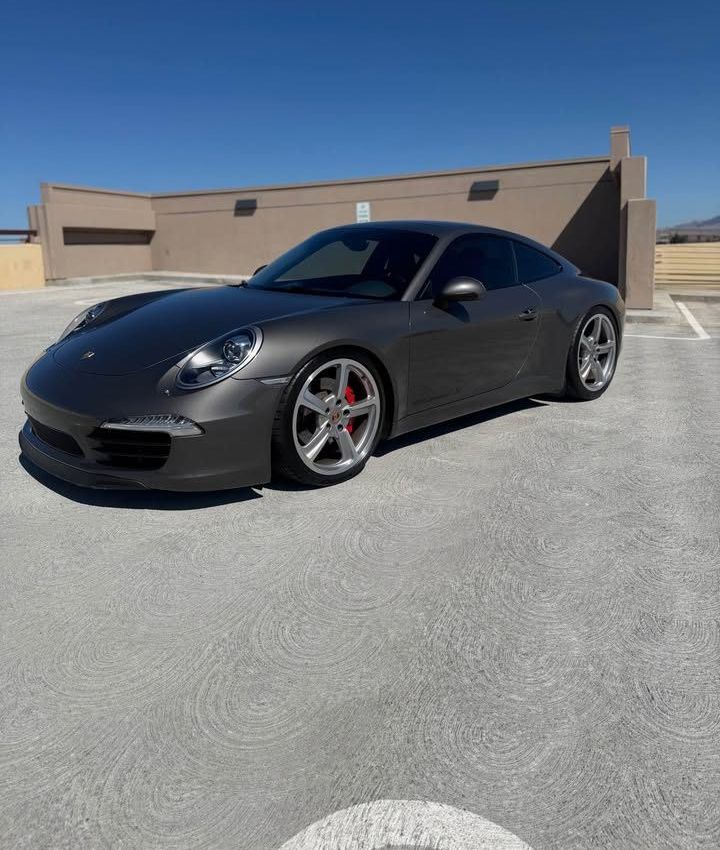 01
01Exterior: clean, straight bodywork
The metallic finish, panel alignment, lights, and wheels present strongly with no visible rust or impact damage.
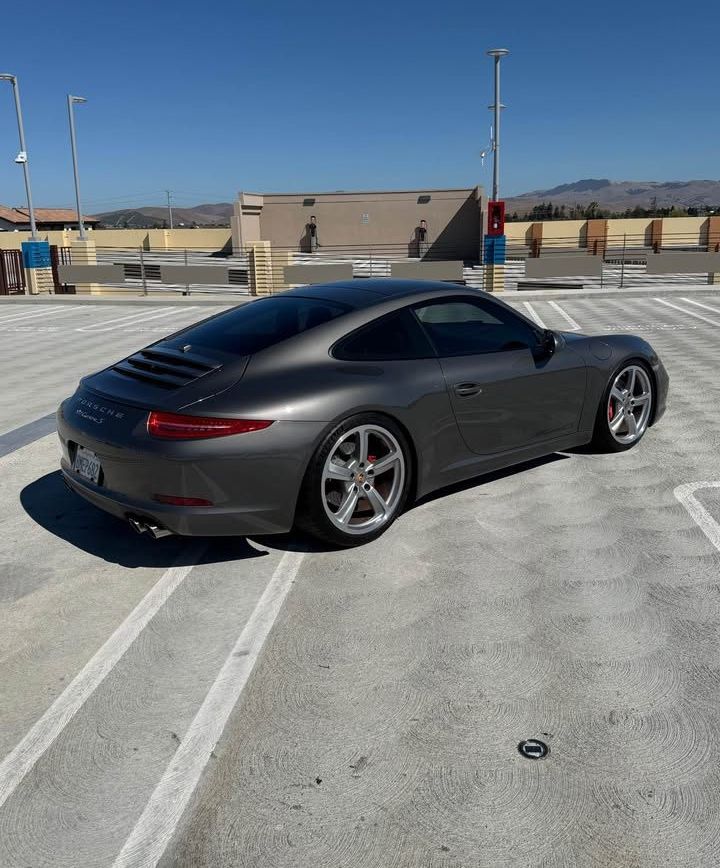 02
02Rear body: clean and aligned
The rear lamp, bumper, exhaust, and decklid look consistent, with no visible corrosion or accident-related mismatch.
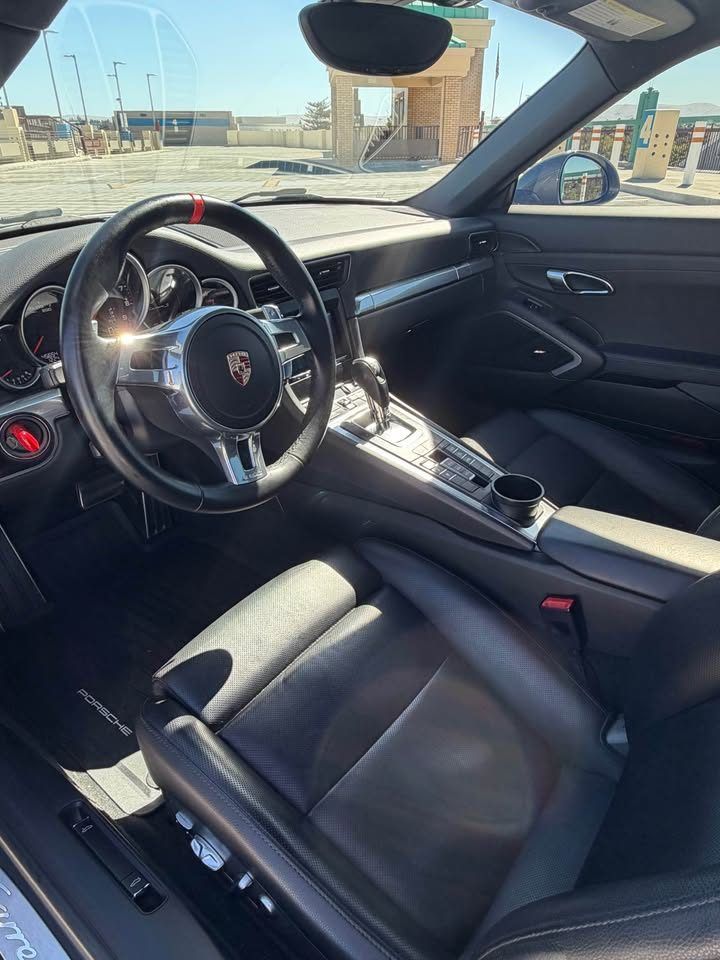 03
03Interior: lightly worn leather
Seat bolsters and controls remain presentable, while the visible wear is appropriate for this mileage.
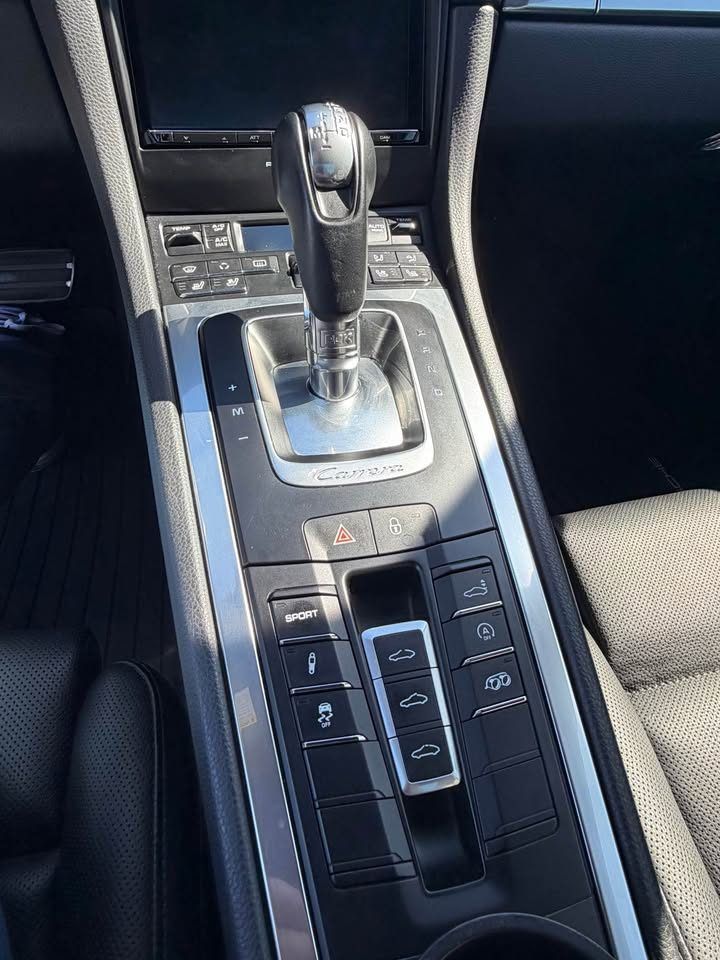 04
04Center console: clean controls
Switchgear, selector, and trim show only ordinary use, supporting careful ownership rather than neglect.
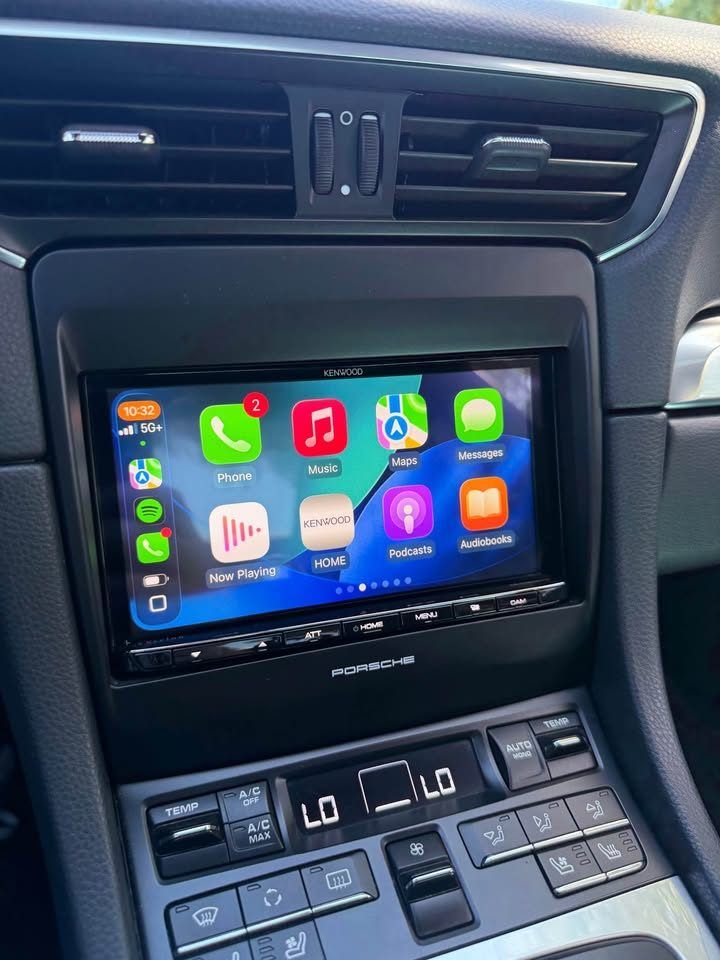 05
05Infotainment: functional CarPlay display
The aftermarket Kenwood unit is powered and integrated cleanly, adding useful functionality without visible surrounding damage.
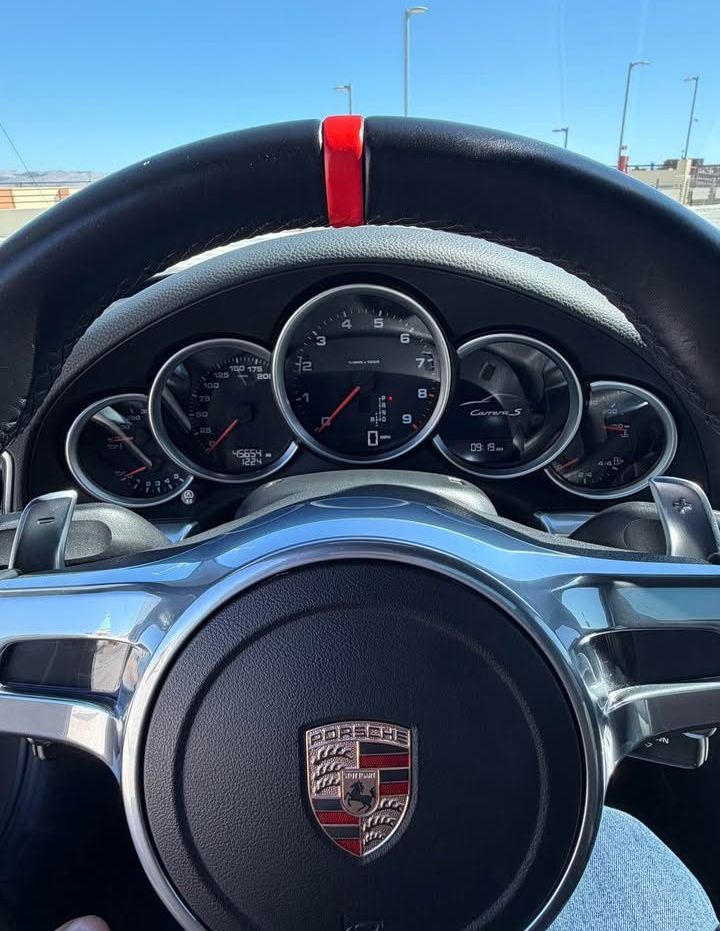 06
06Odometer: 45,654 miles displayed
The displayed mileage closely matches the listing, and the Carrera S instrumentation and PDK controls support the stated specification.
Visual assessment of what the photos show, surface condition only. Confirm mechanical findings in person.
Next · 4 of 6
Price & negotiation
Based on comparable listings and the repairs you can document. A starting point for what this car should cost.
Price breakdown
What it costs, and when
Verify now
Critical and major items to confirm first.
Possible year-one expense
Caution items with repair-cost context.
Each range is what that one item costs if it turns out to be present. Not every item will apply to this car, so they do not add up to a bill. Verify with a mechanic.
Asking is $77,500 against a typical $64,500 for this car and mileage. The work is the difference, not the sticker.
Negotiate your offer
At asking, this is about 20% above the market estimate (about $13,000). The documented repairs below are the kind of evidence buyers cite to start lower.
- Documented critical/major repairs of $5,750–$15,600 you can point to.
- Strongest items to raise first: PASM Damper Leakage, Front Condenser Corrosion.
Market context comes from research-model analysis of comparable listings and repair-cost data. This is information to help you research, not a professional inspection, an appraisal, or financial advice. Verify everything independently before making any offer.
Next · 5 of 6
Recalls & safety
NHTSA crash-test ratings and recall data for this make, model, and year. Check recall status with your VIN before buying.
Next · 6 of 6
In-person inspection
9 things to check before you buy
7 major and 2 caution findings, turned into a walkthrough for the driveway. Answers save as you go.
Before you leave: Ask the seller not to start or move the car before you arrive. A sales-ready car has usually been warmed up, and a warm engine hides the startup smoke, rattles and rough idle that the first section is built around.
01Exterior Walk-around1
Look at the ground under the car before anything else, and separate fresh wet marks from old stains. Then walk the body in daylight: panel gaps and paint texture for past repairs, glass, lights, tire age, and the wheel arches and rockers for rust or filler. Push each corner down; it should rebound once and settle.
02Engine & Systems3
Before the first start: pull the oil dipstick and look for a milky film, check the coolant for oil or rust, squeeze the radiator hoses for hard or mushy spots, and note the battery date. Once warm: confirm the cooling fans cycle, listen for belt noise, look for fresh seepage that was not there cold, and check that the A/C blows cold.
03Test Drive3
Drive a route with stops, a hill, and some open road. Feel for shift quality, clutch or torque-converter behaviour, brakes that pull or pulse, steering play, and any noise that changes with speed or steering angle.
04Documentation2
Match the VIN across the title, dash, and door jamb. On a dealer lot, read the Buyers Guide sticker: it states whether the car carries a warranty or is sold as is, and as is means every repair after the sale is yours. Review service records and recall history, then run an OBD-II scan for stored and pending codes.
Plus 1 baseline check every used car needs, added because this car’s findings are short.
Everything on this list is what you can see standing next to the car. A shop on a lift sees the rest, and a written pre-purchase inspection listing parts and labor is what a seller has to answer to. Budget roughly $100 to $150 at an ASE-certified shop.
Your car next?
Get your own Buyer Guide
Same depth of analysis, personalized to the exact vehicle you're evaluating. Known failure patterns, repair cost exposure, and questions to ask the seller.
More guides